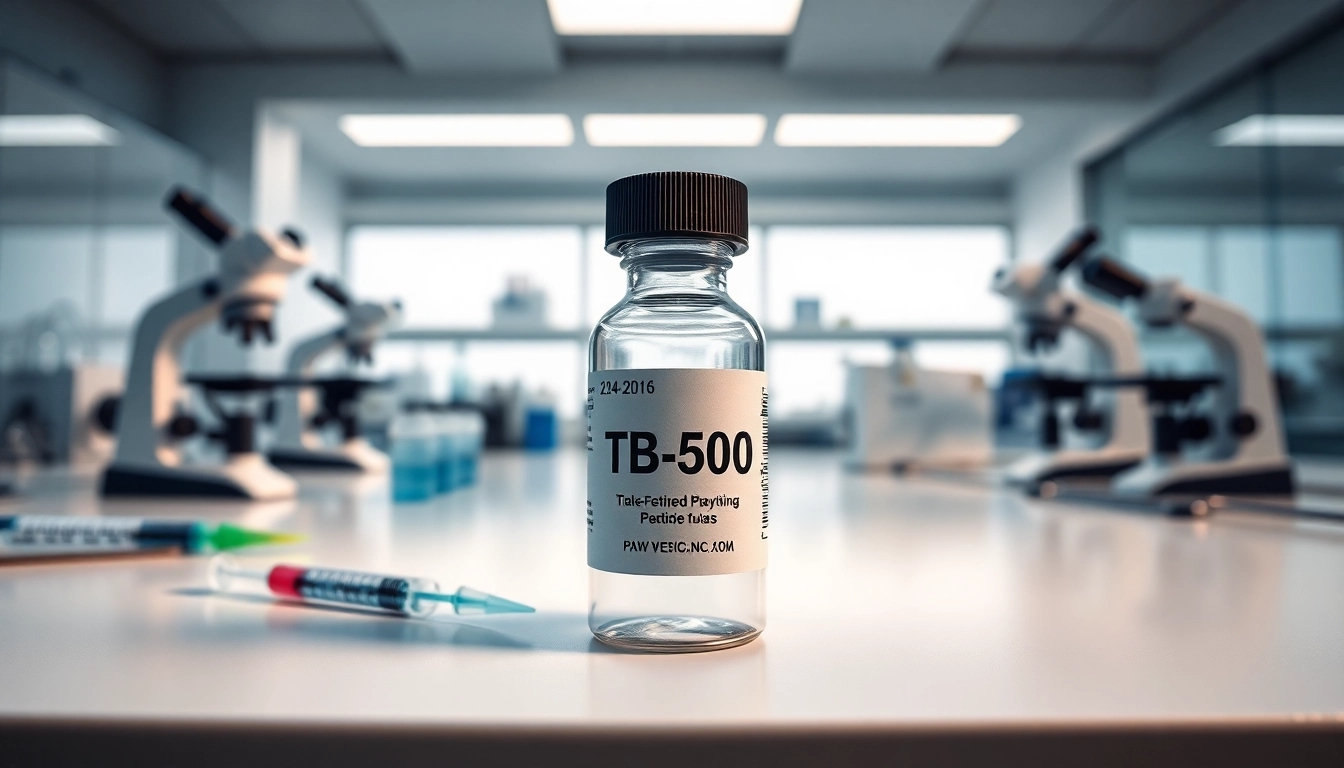
Introduction to Research Peptides
Definition and Overview
Research peptides are short chains of amino acids that are produced naturally in the body and play crucial roles in signaling and regulatory processes. They have gained immense popularity in recent years within scientific and therapeutic realms due to their potential in treating a variety of medical conditions. Unlike traditional medications, peptides can interact more specifically with the receptors in the body, often leading to fewer side effects and more targeted outcomes.
Importance of Peptides in Modern Medicine
The significance of peptides in modern medicine cannot be overstated. They are integral in numerous biological functions, including hormone regulation, growth, and repair processes. In the realm of personalized medicine, they can be tailored to induce specific physiological responses, making them invaluable for treatments ranging from anti-aging to muscle recovery and more. Their ability to promote healing, enhance athletic performance, and provide targeted therapies further underscores their potential.
Types and Classes of Research Peptides
Research peptides can be classified into various categories based on their function. For example, some are designed to enhance growth hormone levels, while others may focus on immune modulation or tissue repair. Additionally, peptides can be categorized into synthetic and naturally occurring forms. Each type of peptide serves a distinct purpose and comes with its own set of properties, making it essential for researchers and clinicians to understand the specific benefits of each class.
What is TB-500?
Chemical Composition and Properties
TB-500, also known as Thymosin Beta-4, is a synthetic peptide that comprises 43 amino acids. This peptide is naturally produced in the body but can also be synthesized in a laboratory setting for research purposes. TB-500 is known for its high solubility and stability, making it easily injectable. Its unique structure allows it to function effectively in various biological processes, particularly those related to healing and regeneration.
Mechanism of Action in the Body
TB-500 exerts its effects primarily by promoting cell migration and differentiation, particularly during the healing process of tissues. It works by upregulating several proteins involved in cell growth and tissue repair. Through its interaction with actin, a structural protein in cells, TB-500 facilitates cellular movement and promotes healing by catalyzing the regeneration of damaged tissues.
Potential Benefits of TB-500
The potential benefits of TB-500 are vast. Many researchers have pointed to its ability to accelerate wound healing, reduce inflammation, and improve muscle growth and recovery. Athletes and bodybuilders often seek TB-500 for its reputed ability to aid in muscle recovery and enhance endurance. Furthermore, studies suggest that TB-500 may have applications beyond athletics, potentially aiding in the treatment of cardiac, neurological, and other health issues due to its regenerative properties.
Cost Analysis of TB-500
Factors Influencing Pricing
Various factors influence the pricing of TB-500. These include the purity of the peptide, the method of synthesis, the scale of production, and market demand. Peptides with higher purity levels often come with higher price tags due to the rigorous purification processes involved. Additionally, the availability of TB-500 and the competition in the market can significantly affect its cost.
Comparative Pricing with Other Peptides
When examining the cost of TB-500, it is essential to compare it with other research peptides. Generally, TB-500 is competitively priced, although it tends to be more cost-effective than some more complex peptides that require extensive modification. However, users should consider the overall value, including efficacy and potential benefits, rather than focusing solely on price. For specific details, you may explore how much is a tb.
Where to Purchase TB-500
Potential buyers can procure TB-500 from various sources, including online peptide stores and specialized research supply companies. It is crucial to choose reputable suppliers who provide high-quality products backed by third-party testing for purity and authenticity. Engaging in thorough research and reading customer reviews can help ensure reliable purchasing decisions.
Safety and Usage Guidelines
Dosage Recommendations
When considering TB-500, dosage recommendations typically range between 2 to 10 mg per week, depending on the therapeutic goal and individual response. Many researchers often start with a lower dosage to assess tolerance and then adjust accordingly. Given the variability in individual needs and conditions, consulting healthcare professionals before starting any peptide regimen is essential.
Potential Side Effects
TB-500 is generally well-tolerated, but potential side effects may include reactions at the injection site, such as redness or swelling, as well as nonspecific symptoms like fatigue or mild nausea. It is vital for users to monitor their responses closely and to consult healthcare providers if they experience any concerning effects. While serious side effects are rare, understanding personal health conditions is crucial for safe usage.
Length of Administration and Cycle
TB-500 is often administered in cycles, typically lasting between four to six weeks. Following this period, users should take a break before starting another cycle to prevent desensitization. The duration may vary based on individual goals, such as acute injury recovery or long-term performance enhancement. Continuous assessment of benefits and side effects is advisable to ensure the therapy's suitability and effectiveness.
Future of TB-500 and Research Peptides
Current Studies and Clinical Trials
The ongoing research in the field of TB-500 and related peptides points towards exciting future developments. Current studies focus on its efficacy in improving recovery times, enhancing performance, and even its roles in treating chronic conditions. Clinical trials are exploring the peptide’s potential for treating cardiac injuries and neurological disorders, which could pave the way for innovative therapeutic applications.
Predicted Trends in Peptide Therapy
As the field of peptide therapy continues to evolve, some predicted trends include stringent regulations ensuring safety and efficacy, as well as an increase in personalized medicine applications. Advances in synthesis techniques will likely lead to new peptides that can target more specific pathways, further revolutionizing treatment approaches. Additionally, as awareness grows, peptide therapies may find expanded applications in both sports and conventional medical practices.
Integration in Personalized Medicine
The integration of TB-500 and similar peptides into personalized medicine frameworks stands as a significant trend. Tailoring peptide therapies to address individual patient needs can yield more effective outcomes than standard treatment protocols. With an increase in research supporting personalized approaches, it is anticipated that peptides will soon become staple treatments in various health and wellness sectors.
Frequently Asked Questions
What is TB-500 used for?
TB-500 is primarily used for its healing properties, including tissue repair, inflammation reduction, and muscle recovery enhancement.
Is TB-500 safe for everyone?
While generally well-tolerated, TB-500 may not be safe for individuals with certain health conditions. Consulting a healthcare professional before use is important.
How long does it take to see results with TB-500?
Many users report noticeable improvements in healing and recovery within a few weeks of consistent use, though individual responses vary.
Can TB-500 be combined with other peptides?
Yes, TB-500 can be combined with other peptides to enhance synergistic effects, but it's advised to consult a healthcare provider for best practices.
Where can I find quality TB-500?
Quality TB-500 can be found through reputable research peptide suppliers who ensure the purity and authenticity of their products.