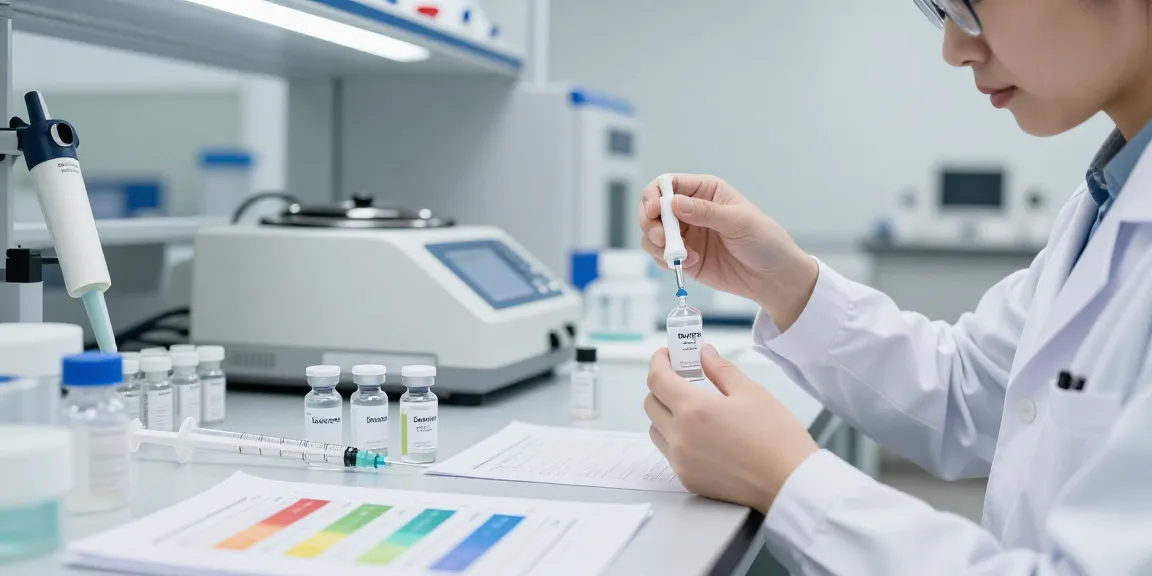
Introduction to Bacteriostatic Water
Bacteriostatic water is an essential tool in research and clinical settings, particularly in the preparation and administration of medications and peptides. Unlike regular water, which is sterile, bacteriostatic water contains a preserving agent that prevents the growth of bacteria, making it critical for various medical applications. This article delves into the significance, composition, and usage of bacteriostatic water, with a keen focus on its role in maintaining the effectiveness of research peptides, particularly the hospira bac water.
What is Bacteriostatic Water?
Bacteriostatic water is purified water that has been fortified with a bacteriostatic agent, most commonly benzyl alcohol. This agent inhibits microbial growth but does not entirely sterilize the product, allowing for safe storage and administration over a limited duration. Bacteriostatic water is often utilized to dilute or dissolve medications for injection, especially those intended for multiple uses, such as vials containing peptides.
Importance in Research
In research settings, the purity and stability of reagents are paramount. Bacteriostatic water plays a crucial role in this context by maintaining the sterility of solutions and minimizing the risk of contamination. When working with sensitive compounds, such as peptides, researchers rely on bacteriostatic water to ensure that their materials remain free from bacterial contamination, thereby preserving their potency and efficacy.
Common Uses and Applications
Bacteriostatic water is widely used in medical and research settings, including:
- Diluting medications for injection.
- Reconstituting powdered peptides.
- As a solvent for injectable drugs.
- In laboratory settings for cell culture applications.
Each of these applications underscores the versatility and necessity of bacteriostatic water in both clinical and experimental scenarios.
Components and Composition
Key Ingredients and Their Roles
The primary component of bacteriostatic water is sterile water, but the inclusion of a bacteriostatic agent, typically benzyl alcohol, is what sets it apart from other sterile solutions. Benzyl alcohol serves as a preservative that prevents bacterial growth without significantly affecting the properties of the water or the compounds being diluted. This ensures that the bacteriostatic water can be employed for multiple dosing from a single vial, minimizing waste and facilitating research processes.
Differences Between Bacteriostatic and Sterile Water
While both bacteriostatic water and sterile water are free from harmful microorganisms, their use and properties diverge significantly:
- Bacteriostatic Water: Contains benzyl alcohol as a preservative, allowing for multiple withdrawals from the vial. It is ideal for medications that need to be used over time.
- Sterile Water: Contains no additives and is intended for single-use applications. Once opened, it cannot be reused.
This distinction is crucial when choosing the appropriate solution for specific scientific and clinical applications.
Safety Considerations
Handling bacteriostatic water requires adherence to safety protocols to prevent contamination and ensure safe usage. Key considerations include:
- Always use sterile syringes and needles when drawing from a vial.
- Store opened vials in a cool, dry place away from direct sunlight.
- Be aware of the expiration date and discard any expired product.
By following these guidelines, researchers and clinicians can safeguard the integrity of bacteriostatic water and the compounds dissolved within it.
Research Peptides: An Overview
What Are Research Peptides?
Research peptides are short chains of amino acids that are used for a wide range of applications, including therapeutic, cosmetic, and anti-aging purposes. These compounds play significant roles in biochemical processes and are crucial for studies in cellular biology and pharmacology. As a result, the demand for peptides in research is growing, making it essential to preserve their stability and efficacy throughout experimentation and application.
How Bacteriostatic Water Supports Peptide Stability
Bacteriostatic water is essential for maintaining peptide stability during storage and administration. When peptides are reconstituted in bacteriostatic water, the risk of degradation due to bacterial contamination is significantly reduced. Furthermore, the water helps maintain the pH and osmotic balance, which are critical for the functionality of peptides. This ensures that researchers can obtain reliable results when evaluating the biological effects of these compounds.
Applications in Medical Research
In medical research, such as drug discovery and development, bacteriostatic water is indispensable for conducting experiments involving peptides. These applications include:
- Studying the pharmacodynamics and pharmacokinetics of peptide-based drugs.
- Testing the efficacy of new therapeutic peptides in clinical trials.
- Investigating the physiological effects of peptides in various biological models.
Each of these applications benefits from the stability and sterility provided by bacteriostatic water, leading to more accurate and reproducible research outcomes.
Storage and Handling Guidelines
Best Practices for Storing Bacteriostatic Water
Proper storage of bacteriostatic water is crucial to maintaining its efficacy and safety. Here are some best practices:
- Store in a refrigerator or a cool, dark place.
- Keep the vial tightly closed when not in use to prevent contamination.
- Avoid exposure to extreme temperatures, including freezing and excessive heat.
Following these guidelines helps ensure that bacteriostatic water remains effective for use in reconstituting peptides and other medications.
Handling Protocols in Laboratory Settings
When handling bacteriostatic water in laboratory settings, researchers should adhere to strict protocols to prevent cross-contamination:
- Always work in a clean, sterile environment.
- Use dedicated equipment for handling peptides and bacteriostatic water.
- Follow aseptic techniques, including the use of gloves, lab coats, and face masks as necessary.
These practices are vital to maintaining the integrity of experiments and ensuring the safety of laboratory personnel.
Expiry and Usage Recommendations
Bacteriostatic water typically has a shelf life that should be observed to guarantee the best results in research and clinical applications. Always check for the expiration date on the vial and dispose of any expired product. Generally, once opened, bacteriostatic water remains effective for up to 28 days when stored properly, but it should always be visually inspected for any signs of contamination before use.
Frequently Asked Questions
1. Can bacteriostatic water be reused?
No, bacteriostatic water is designed for multiple doses within a specific timeframe, but it should not be reused beyond its expiration date or if contaminated.
2. What makes bacteriostatic water essential for peptides?
Bacteriostatic water prevents bacterial growth, preserving the stability and efficacy of peptides during storage and administration.
3. How to determine the quality of bacteriostatic water?
Quality can be assessed by checking the sterility, the presence of any particulates, and the expiration date on the packaging.
4. Is there a difference between bacteriostatic and regular water?
Yes, the primary difference is that bacteriostatic water contains benzyl alcohol, making it suitable for multiple-dose applications, while regular water does not.
5. How should bacteriostatic water be disposed of?
Unused or expired bacteriostatic water should be disposed of following local regulations for biological waste to ensure safety and environmental protection.