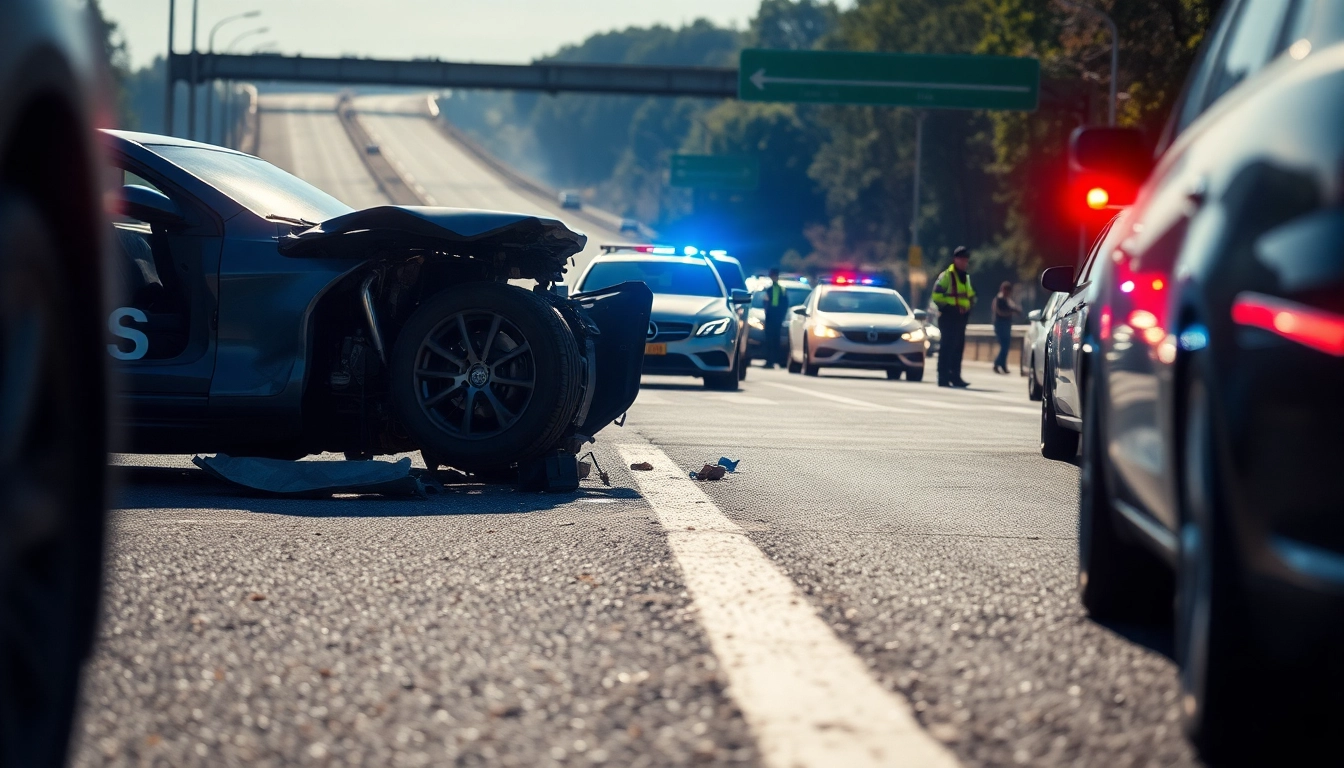
Overview of Road Accident Statistics
Global and National Trends
Every year, road accident statistics reveal the tragic loss of life and the economic burden associated with these events. According to the World Health Organization (WHO), over 1.3 million people die in road traffic accidents globally, making it one of the leading causes of death. The geographical distribution of these accidents reveals stark contrasts: high-income countries have seen a decline in road fatalities over the last decade, while low- and middle-income countries are still grappling with increases in traffic-related deaths. This disparity highlights the urgent need for improved road safety, especially in developing nations.
In the United States, the National Highway Traffic Safety Administration (NHTSA) reported approximately 38,680 deaths due to motor vehicle collisions in a recent year, highlighting that road accidents claim more lives than any other cause of unintentional injury. Notably, the rise of distracted driving, particularly due to mobile phone usage, has exacerbated these numbers. Thus, both global and national statistics underscore a time-sensitive challenge that calls for concerted efforts from policymakers, educators, and road users.
Common Causes of Road Accident
Understanding the primary causes of road accidents is crucial for implementing effective safety measures. A spectrum of factors contributes to these incidents:
- Distracted Driving: This includes any activity that diverts attention from driving, such as texting, talking on the phone, or eating. A significant percentage of accidents reported involve drivers who were distracted at the time.
- Speeding: Driving over the speed limit or too fast for conditions accounts for numerous road accidents. Speeding reduces the driver's ability to steer safely around curves or objects in the road and extends the distance necessary to stop a vehicle.
- Driving Under the Influence: Alcohol and drug impairment are leading causes of accidents. Despite campaigns to raise awareness of the dangers of impaired driving, many individuals continue to drive while under the influence, resulting in avoidable tragedies.
- Weather and Road Conditions: Poor weather conditions—such as rain, snow, or fog—can significantly impact driving conditions. Additionally, poorly maintained roads with potholes or lack of signage contribute to higher accident rates.
- Failure to Obey Traffic Signals: Ignoring stop signs, red lights, and other signals can lead to dangerous collisions, as drivers may not expect others to disregard these rules.
Impact of Weather Conditions
Weather conditions play a critical role in the incidence and severity of road accidents. Statistics indicate that adverse weather is a contributing factor in roughly 22% of all accidents reported. Rain and snow can reduce visibility and road traction, increasing the likelihood of collisions. Black ice is particularly treacherous, as it is often invisible and can lead drivers to lose control of their vehicles. Educating the public on the risks associated with adverse weather driving is essential, coupled with effective strategies such as adjusting speeds and maintaining a greater following distance. This knowledge can significantly mitigate risks and reduce accidents during inclement weather.
Consequences of Road Accident
Injuries and Fatalities
The physical consequences of road accidents extend far beyond the immediate injuries sustained by involved parties. Of the millions of accidents recorded annually, many result in severe injuries, including spinal cord injuries, traumatic brain injuries, and fractures. These injuries often lead to long-term disabilities, requiring extensive rehabilitation and care. The fatalities that result from road accidents not only represent a tragic loss of potential but also inflict heartache on families and communities. The socioeconomic impact stretches into the realms of lost productivity and healthcare costs, creating significant strains on emergency services and public health systems.
Emotional and Psychological Effects
The aftermath of a road accident is not exclusively physical; emotional and psychological repercussions can be profound. Survivors may experience post-traumatic stress disorder (PTSD), anxiety, depression, and feelings of disconnection from their community. Families affected by a loss often deal with grief and emotional turmoil that can last for years. Support services play a critical role in helping victims and families navigate their recovery. Efforts should be made to incorporate mental health resources into post-accident care protocols to better address these issues, fostering environments of healing and support.
Financial Implications for Victims
The financial ramifications of road accidents can be staggering. Victims face medical bills, rehabilitation costs, vehicle repairs, and sometimes loss of income due to an inability to work during recovery periods. The economic burden extends to communities as well; higher rates of accidents can lead to increased insurance premiums for all residents in a given area, not just those involved in accidents. Advocacy for better safety measures is a vital step toward reducing the associated economic costs, moving towards a more sustainable and safer road environment for everyone.
Preventive Measures to Reduce Road Accident
Driver Education and Training
One of the most effective ways to reduce road accidents is through comprehensive driver education and training programs. These programs should cover the importance of obeying traffic laws, understanding road signals, and recognizing potential hazards. Additionally, integrating defensive driving techniques and emphasizing the dangers of distracted driving can empower drivers to make safer choices on the road. Regular refreshers, such as those offered to elderly drivers, can improve road safety for all and help sustain good driving practices.
Technological Innovations in Vehicles
Technological advancements have revolutionized vehicle safety, making roads safer than ever before. Features such as anti-lock braking systems (ABS), electronic stability control, adaptive cruise control, and lane departure warnings help drivers maintain control and avoid accidents. Moreover, the emerging technologies of autonomous vehicles promise a reduction in human error, a leading cause of road accidents. Yet, alongside these innovations, it is equally essential for consumers to remain educated about their vehicles' features and ensure they are maintained properly.
Government Regulations and Policies
Effective government regulations can promote road safety and consequently reduce the incidence of road accidents. This includes stricter laws governing drunk driving, mandatory use of seatbelts, and promoting the enforcement of speed limits. Policies aimed at improving infrastructure can also bolster safety. Investments in better road design, adequate lighting, improved signage, and pedestrian pathways are all pivotal for minimizing accidents. Collaboration between government agencies, urban planners, and communities is fundamental in creating a culture of safety and awareness.
Responses After a Road Accident
Immediate Steps to Take
In the moments immediately following a road accident, knowing what to do can profoundly influence outcomes for the individuals involved. First and foremost, ensure safety by moving to a secure location if possible. Check for injuries and call emergency services as required. It is advisable to document the scene with photographs and take note of witness information, as these can be crucial for insurance claims and legal proceedings. Remaining calm and composed can aid in handling the situation effectively.
Legal Considerations and Insurance Claims
Understanding the legal implications of a road accident is vital for all parties involved. Depending on the jurisdiction, laws will dictate who is at fault and what compensatory measures are available to victims. Filing an insurance claim promptly is essential; most policies have deadlines that can lead to forfeiting coverage if missed. Consulting a legal expert can provide clarity and assistance in navigating claims and any potential litigation stemming from the accident.
Support Systems for Affected Individuals
Establishing a support system is crucial for those affected by a road accident. Victims may benefit from counseling services, support groups, and community resources that address both physical and emotional needs. Often, local nonprofits and advocacy organizations have frameworks in place to assist individuals in reconnecting with resources during this challenging time. Building a robust community-based support network can aid in recovery and re-establishing a sense of normalcy.
Future Directions in Road Safety
Research and Development Initiatives
Ongoing research plays a critical role in identifying new strategies to enhance road safety. Collaborative initiatives among universities, research institutions, and governmental agencies create opportunities for innovation in safety protocols and technology adoption. Studies on behavioral patterns of drivers and accident frequency can inform policy changes and educational approaches, driving effectiveness in accident prevention.
Community Awareness Programs
Community-based programs that promote road safety can significantly contribute to awareness and behavioral change amongst road users. Activities such as seminars, workshops, and school programs can educate on the importance of safe driving practices. Increasing community engagement and awareness can foster a culture of safety that extends beyond individual behavior to encompass community responsibility towards road safety.
Collaborations for Safer Roads
Ultimately, collaboration among various stakeholders—governments, private sector, NGOs, and communities—will be instrumental in making roads safer. Stakeholders can share resources, knowledge, and best practices while adopting innovative strategies that enhance safety. Through collaboration, more comprehensive and effective road safety initiatives can be developed and implemented, leading to a safer road network for everyone.
FAQs About Road Accidents
What is considered a road accident?
A road accident, also known as a traffic collision, is an incident involving at least one vehicle resulting in property damage, injury or loss of life on public or private roads.
How can I prevent road accidents?
Prevention can be achieved through avoiding distractions, adhering to speed limits, using safety gear, and driving sober. Education and awareness are fundamental.
What should I do immediately after a road accident?
Check for injuries, move to a safe location, call emergency services, document the scene, and exchange details with other parties involved.
How are road accident damages calculated?
Damages are typically calculated based on medical expenses, vehicle repair costs, lost wages, and associated pain and suffering, depending on jurisdiction.
What role does weather play in road accidents?
Poor weather conditions like rain, snow, and fog can reduce visibility and traction, increasing the likelihood of accidents. Drivers should adjust their behavior accordingly.