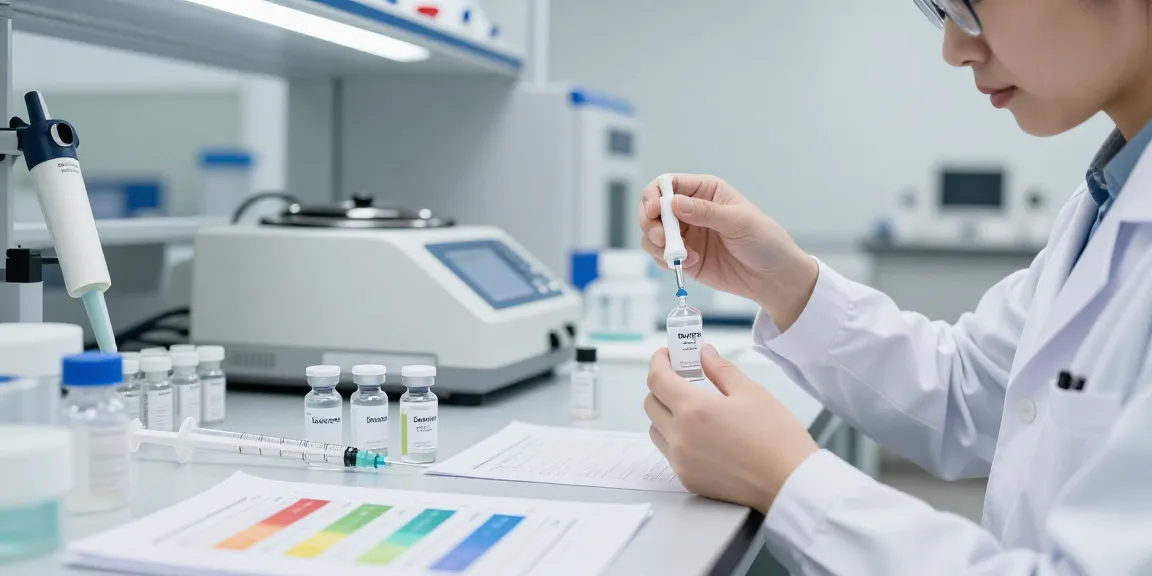
1. Introduction to Astaxanthin and Its Benefits
Astaxanthin is a powerful carotenoid pigment known for its vibrant reddish-orange color. It is primarily found in microalgae, as well as in certain seafood such as salmon, shrimp, and crab. This potent antioxidant has gained significant popularity among health enthusiasts and researchers for its potential health benefits and effects on overall well-being. Understanding the appropriate astaxanthin dosage for adults is essential to maximize its efficacy and safety.
1.1 What is Astaxanthin?
Astaxanthin is a xanthophyll carotenoid, a naturally occurring pigment responsible for imparting color to various marine organisms. Originating primarily from the microalgae Haematococcus pluvialis, it is a potent antioxidant that surpasses the antioxidant activity of many other carotenoids, including beta-carotene. Researchers have shown that astaxanthin is effective in scavenging free radicals, thereby protecting cells from oxidative stress and inflammation.
1.2 Health Benefits of Astaxanthin
The health benefits of astaxanthin are numerous and varied, making it a highly sought-after supplement in the wellness community. Some notable benefits include:
- Skin Health: Astaxanthin is known to improve skin elasticity, reduce the appearance of fine lines and wrinkles, and provide protection against UV radiation.
- Eye Health: It may help reduce eye fatigue and support overall eye health by protecting the retina and macula from oxidative damage.
- Anti-Inflammatory Properties: Astaxanthin has been shown to reduce markers of inflammation, which is beneficial for those suffering from conditions such as arthritis.
- Cardiovascular Support: Research suggests that astaxanthin can help improve lipid profiles and promote healthy blood flow, contributing to better heart health.
- Exercise Performance: Some studies indicate that astaxanthin can enhance endurance and recovery, making it advantageous for athletes and fitness enthusiasts.
1.3 The Importance of Dosage
While astaxanthin offers a plethora of health benefits, it is crucial to adhere to recommended dosages. A lack of understanding about astaxanthin dosage for adults can lead to suboptimal results or potential side effects. Therefore, establishing a clear dosage guideline is vital for achieving the desired effects while minimizing risks.
2. Recommended Astaxanthin Dosage for Adults
2.1 General Guidelines for Astaxanthin Dosage for Adults
Most studies indicate that a daily dosage of 4 to 12 milligrams of astaxanthin is effective for adults. It is recommended that individuals start at a lower dose and gradually increase their intake to observe how their body responds. Specific conditions may warrant higher dosages, so consulting a healthcare professional is advisable, especially for those with pre-existing health issues.
2.2 Factors Influencing Dosage Needs
Several factors can influence astaxanthin dosage needs, including:
- Age: Older adults may require varying amounts depending on their health status and activities.
- Health Conditions: Individuals with specific health concerns may need higher doses for therapeutic effects.
- Diet: Those who consume a diet rich in astaxanthin may need lower supplemental dosages.
- Activity Level: Athletes or highly active individuals may benefit from higher dosages for recovery and performance enhancement.
2.3 Timing and Frequency of Dosage
Astaxanthin is well-absorbed when taken with meals, especially those containing fats. For best results, it is advisable to take astaxanthin once daily with a meal. However, for individuals seeking enhanced benefits, splitting the dosage into two servings can also be beneficial. Following the guidance of healthcare professionals can help optimize timing and frequency.
3. Side Effects and Safety Considerations
3.1 Common Side Effects
Astaxanthin is generally considered safe for most adults, but some may experience mild side effects, including:
- Digestive issues such as stomach cramps or diarrhea.
- Allergic reactions, particularly in those allergic to seafood or certain plants.
- Changes in skin pigmentation, though rare, may occur in sensitive individuals.
3.2 Contraindications and Interactions
While astaxanthin is safe for many, certain groups should exercise caution. Those on blood-thinning medications should consult their doctor, as astaxanthin may enhance the effects of these drugs. Pregnant or breastfeeding women should also seek professional advice before starting any new supplements.
3.3 Recommendations for Safe Use
For safe use of astaxanthin, consider the following recommendations:
- Consult with a healthcare professional before beginning any new supplement regimen, especially for specific health conditions.
- Begin with a lower dosage to assess individual tolerance.
- Monitor for any adverse effects and adjust dosage accordingly.
4. Comparing Astaxanthin Sources
4.1 Natural vs. Synthetic Astaxanthin
Astaxanthin can be sourced naturally from algae or produced synthetically. Natural astaxanthin, derived from Haematococcus pluvialis, is generally considered superior due to its bioavailability and effectiveness. Synthetic options may be less expensive but may not offer the same health benefits.
4.2 Evaluating Supplement Quality
When choosing astaxanthin supplements, it is essential to evaluate quality. Look for products that have undergone third-party testing and come with certifications for purity and potency. Check for ingredients sourced from natural sources and consider brands known for transparency and quality.
4.3 Cost Considerations for Different Sources
Cost can vary significantly between natural and synthetic sources of astaxanthin. While natural supplements tend to be more expensive, they offer better quality and health benefits. When budgeting for supplements, weigh the investment against potential health outcomes to make a well-informed decision.
5. Frequently Asked Questions
5.1 How long does it take for astaxanthin to work?
Effects can vary; users often report benefits within 2-6 weeks of consistent use. However, individual results depend on factors like diet and health status.
5.2 Can I take astaxanthin with other supplements?
Yes, astaxanthin can be taken with other supplements, but it's best to consult with a healthcare professional to avoid potential interactions.
5.3 Is there a maximum dosage for astaxanthin?
While 4-12 mg daily is standard, consult a healthcare provider for maximum dosages based on individual health and conditions.
5.4 Are there specific groups who should avoid astaxanthin?
Individuals on blood thinners, pregnant or breastfeeding women, and those with specific allergies should consult a physician before use.
5.5 What should I look for when buying astaxanthin supplements?
Look for third-party tested products, natural sourcing from algae, and clear labeling of dosage amounts for effective supplementation.