Understanding Research Peptides
What are Research Peptides?
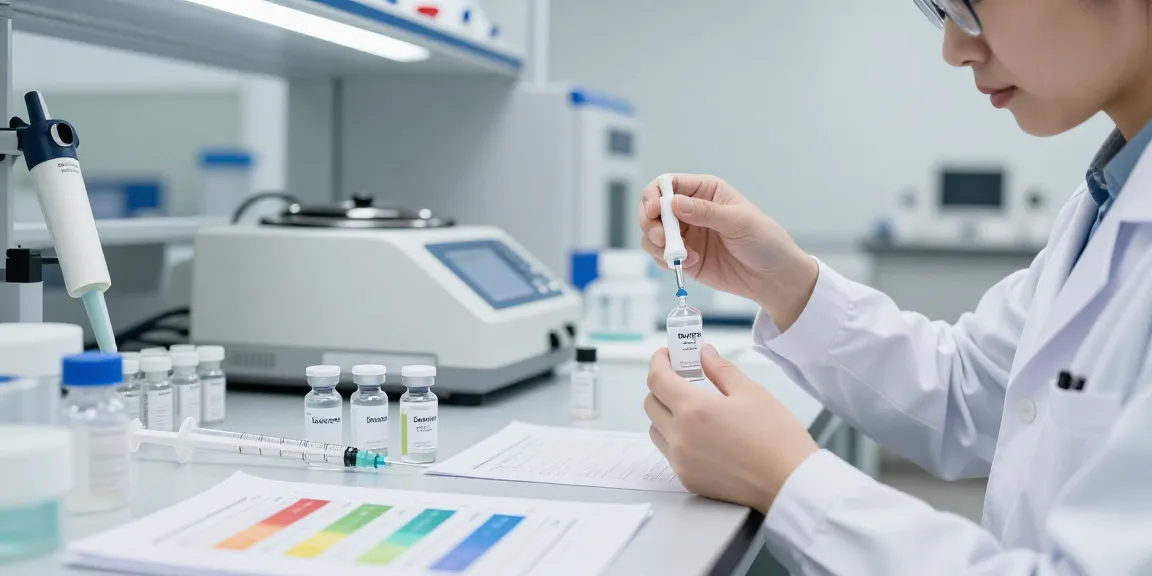
Research peptides are short sequences of amino acids that have gained significant attention in biochemistry and medical research due to their potential therapeutic applications. These peptides can vary in length and structure, which influences their biological activity. They are primarily utilized in laboratory settings for studying various cellular processes, drug interactions, and disease mechanisms. Notably, research peptides offer a stable and relatively simplistic model for scientists to explore receptor actions, hormone regulation, and cellular communication.
The Science Behind Peptide Synthesis
The synthesis of research peptides involves complex biochemical processes that can be accomplished through various methods. Solid-phase peptide synthesis (SPPS) and liquid-phase peptide synthesis (LPPS) are the two primary techniques employed. SPPS allows for the rapid construction of peptides by adding one amino acid at a time to give researchers control over the sequence and length. On the other hand, LPPS is more traditional and often used for larger peptides, albeit with decreased efficiency. Understanding the synthesis mechanisms is crucial for achieving high purity and yield, impacting peptide efficacy in research applications.
Applications in Medical Research
Research peptides play a pivotal role in medical research due to their ability to mimic or block biological activities. They are instrumental in drug discovery, especially in the fields of oncology, endocrinology, and immunology. For instance, peptides can serve as potent antigens in vaccine development or act as agonists and antagonists to regulate metabolic pathways. Furthermore, research peptides are often evaluated for their role in tissue regeneration, anti-inflammatory actions, and neuroprotection, demonstrating their versatility in therapeutic applications.
Importance of Bacteriostatic Water in Peptide Handling
Defining Bacteriostatic Water
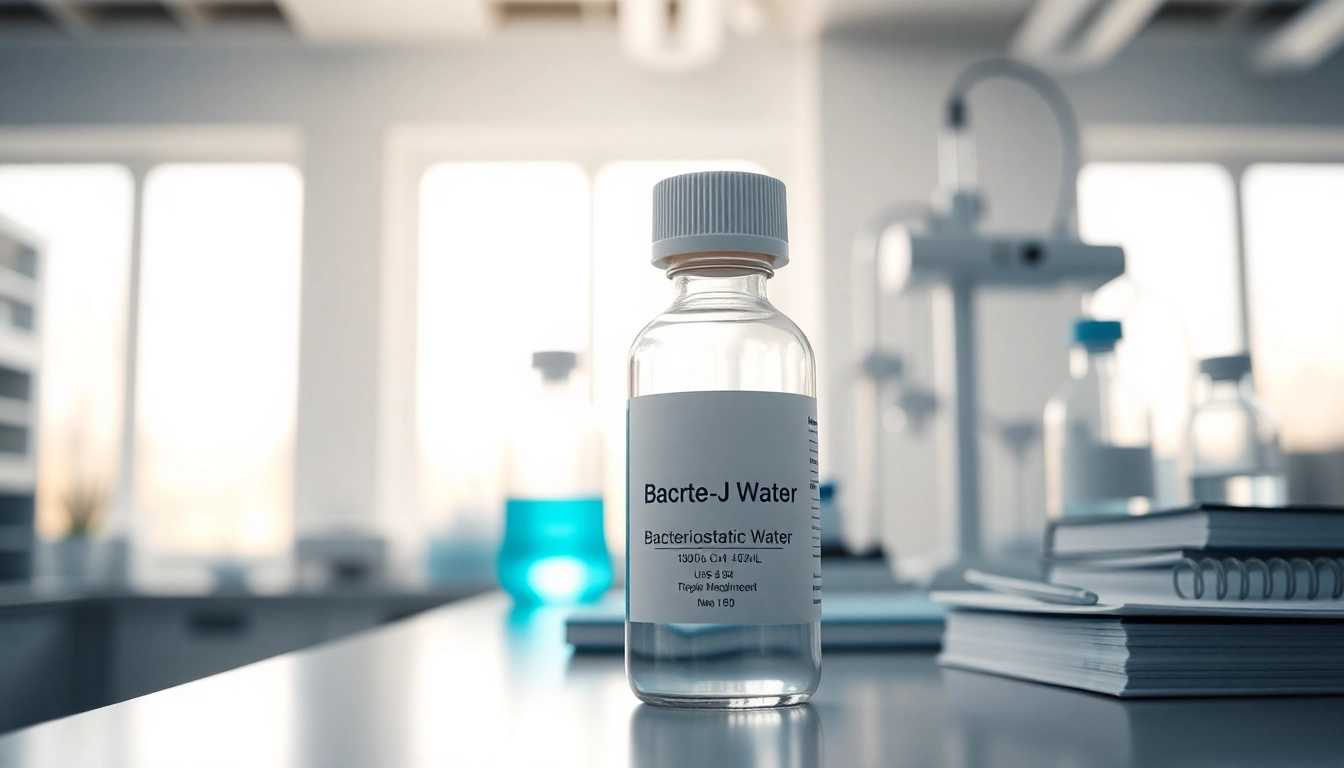
Bacteriostatic water is a sterile water solution that contains a small amount of a preservative, such as benzyl alcohol, which inhibits the growth of bacteria. This characteristic makes it ideal for diluting and transporting pharmaceuticals, including research peptides. The sterile nature of bacteriostatic water ensures that contaminants do not interfere with the integrity of the peptide, maintaining its efficacy during storage and application.
Comparing Bacteriostatic Water with Other Diluents
When considering diluents for reconstituting peptides, bacteriostatic water stands out when compared to other options, such as saline solutions or plain sterile water. Saline solutions can introduce sodium ions that might affect peptide stability, while plain sterile water lacks preservatives, making it susceptible to contamination after multiple uses. Bacteriostatic water, with its preservative, allows for repeated withdrawals from the vial without compromising the peptide’s integrity over time.
Benefits of Using hospira bac water
Using hospira bac water in peptide handling provides numerous advantages. It helps maintain a stable environment for the peptide and minimizes the risk of contamination. Further, the benzyl alcohol present in this solution allows for the long-term storage of multi-use vials, making it a practical choice for researchers who need to perform multiple injections. Additionally, its compatibility with various peptides ensures that researchers can feel confident in its efficacy.
Best Practices for Peptide Preparation
Steps for Proper Peptide Reconstitution
Reconstituting peptides correctly is crucial for maintaining their effectiveness. The following steps detail the best practices for achieving optimal results:
- Start with sterile equipment: Ensure that all syringes and vials are sterile to prevent contamination.
- Prepare the diluent: Measure the appropriate amount of hospira bac water based on the peptide's specifications.
- Slowly add the diluent to the peptide vial: Gently inject the water onto the side of the vial to reduce foaming.
- Swirl gently: Avoid shaking the vial; instead, swirl it gently until the peptide is fully dissolved.
- Store appropriately: Once reconstituted, transfer the peptide to the desired storage medium, ideally a sterile container, and store in refrigeration.
Storage Guidelines for Optimal Stability
Proper storage of reconstituted peptides is vital to preserve their activity. As a general guideline, peptides should be stored in a refrigerator at temperatures between 2°C and 8°C. Avoid freezing unless specified, as freezing can denature many peptides. It is also advisable to protect peptides from light and moisture by storing them in opaque containers. Furthermore, ensuring that the vials are sealed tightly can minimize exposure to environmental factors that may compromise peptide integrity.
Avoiding Common Mistakes
Several common mistakes can lead to peptide degradation or contamination. Firstly, failing to use sterile techniques can introduce bacteria, which can compromise research integrity. Secondly, improper pH levels during reconstitution can affect peptide solubility; always check compatibility. Lastly, it's crucial to adhere to expiration dates and storage guidelines, as expired peptides can significantly reduce effectiveness and reliability in research outcomes.
Assessing Peptide Quality and Authenticity
Key Indicators of Quality
Quality assessment of research peptides is essential for reliable results. Key indicators include purity levels, which should ideally be above 95%, and the presence of contaminants, as assessed through analytical methods such as high-performance liquid chromatography (HPLC). Furthermore, chain length and sequence correctness must be validated through mass spectrometry, ensuring that the peptide is as intended and capable of producing accurate research outcomes.
Testing Methods for Research Peptides
There are several methods to test the quality and authenticity of research peptides. Apart from HPLC and mass spectrometry, nuclear magnetic resonance (NMR) spectroscopy can provide insights into the molecular structure. Additionally, biological assays can be employed to determine bioactivity, ensuring that the peptide performs as expected in its intended applications. Consistency in these testing methods is crucial for building trust in research findings.
Safeguarding Against Counterfeit Products
The prevalence of counterfeit peptides poses significant risks within the research community. To mitigate these risks, purchasing peptides from reputable suppliers who provide certificates of analysis is crucial. Verification through independent testing and consulting peer reviews can also bolster confidence in product authenticity. Furthermore, researchers should maintain awareness of emerging trends in peptide synthesis to identify quality markers and red flags in new suppliers.
FAQs About Research Peptides
What is hospira bac water used for?
Hospira bac water is primarily used as a diluent for reconstituting research peptides, ensuring sterility and preventing bacterial growth.
How do I store peptides effectively?
Peptides should be stored in a refrigerator at 2°C to 8°C, protected from light and moisture, and sealed tightly to prevent degradation.
Can peptides expire, and how to check?
Yes, peptides can expire. Check the expiry date provided by the supplier and inspect for any changes in color or solubility.
What are the risks of improper peptide handling?
Improper handling can lead to contamination, degradation, and reduced effectiveness, severely impacting research outcomes.
Where can I buy quality research peptides?
Quality research peptides can be purchased from reputable suppliers that provide certificates of analysis and ensure thorough testing to validate product authenticity.