Understanding GHK-Cu Peptide: Composition and Function
The GHK-Cu peptide, a copper peptide complex, has garnered significant attention in the field of regenerative medicine and skincare due to its remarkable properties. This naturally occurring peptide is composed of three amino acids: glycine, histidine, and lysine, which are tightly bound to a copper ion. The unique structure allows GHK-Cu to interact favorably with various biological systems, promoting healing and rejuvenation at the cellular level. When exploring options, GHK-Cu peptide provides comprehensive insights into how it can enhance skin health and overall vitality.
What is GHK-Cu Peptide?
GHK-Cu, or Glycyl-L-histidyl-L-lysine copper complex, is a tripeptide that plays a crucial role in numerous physiological processes. Discovered in the 1970s, it is recognized for its ability to facilitate wound healing, enhance collagen production, and aid in tissue regeneration. This peptide naturally occurs in human plasma and has been found to decrease with age, which raises concerns about its implications for skin health and repair.
Mechanism of Action in Skin Repair
GHK-Cu operates through several mechanisms that contribute to its skin-repairing abilities. One significant action is its stimulation of fibroblast proliferation and migration. Fibroblasts are essential cells in the dermis responsible for producing collagen and elastin, integral components for maintaining skin firmness and elasticity. Additionally, GHK-Cu has been shown to modulate the expression of genes related to tissue remodeling and inflammation, further enhancing its reparative effects.
Biological Benefits of GHK-Cu
The biological benefits of GHK-Cu extend beyond skin repair. Research indicates that this peptide may combat oxidative stress, reduce inflammation, and enhance the migration of key immune cells to sites of injury. Its multifaceted properties make it a compelling candidate for various applications, including dermatology, hair restoration, and general wellness. Moreover, GHK-Cu has been studied for its effects on hair follicles, promoting hair growth and density through its regenerative capabilities.
Skincare Applications of GHK-Cu Peptide
Topical Forms: Creams and Serums
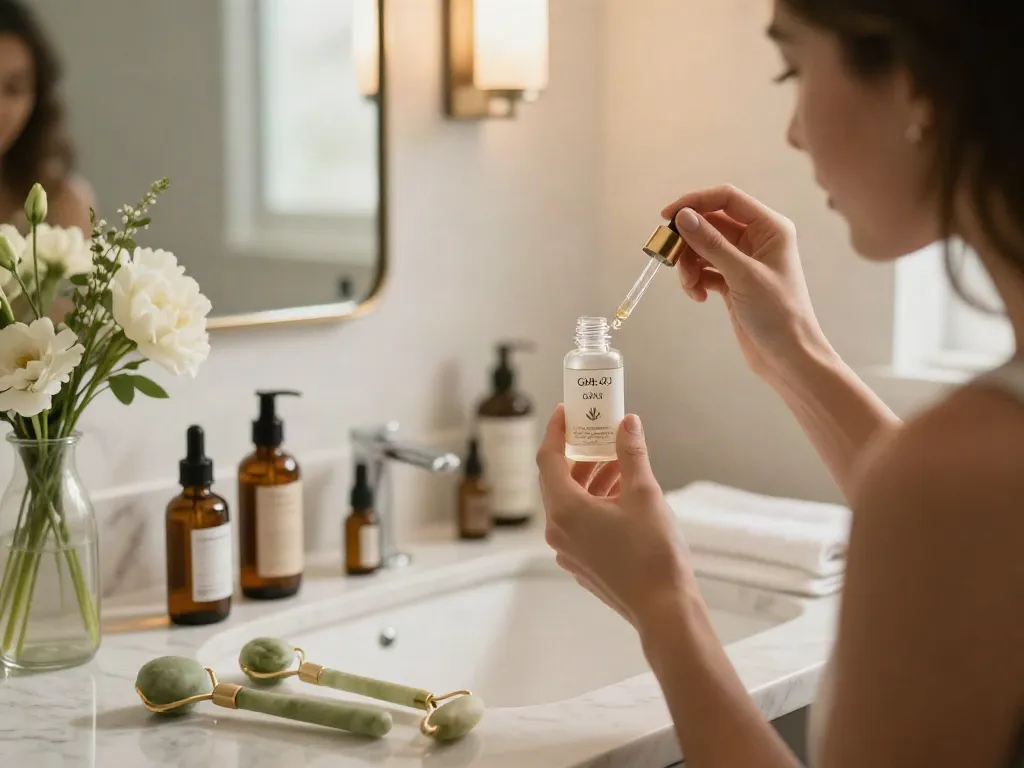
Topical applications of GHK-Cu are among the most popular methods for leveraging its benefits. Formulated in creams and serums, GHK-Cu can penetrate the skin barrier effectively, delivering its regenerative properties directly to the dermis. These products are often marketed for their anti-aging benefits, as they improve skin texture, tone, and overall appearance. Users have reported noticeable improvements in skin elasticity and a reduction in fine lines after consistent use of GHK-Cu-containing products.
Injections: A Growing Trend
In addition to topical formulations, GHK-Cu injections are emerging as a trend for those seeking more intensive rejuvenation. These injections can reach deeper layers of the skin, stimulating collagen and elastin production more profoundly than topical applications. Although more research is needed to establish standard protocols, preliminary studies suggest that injectable GHK-Cu may offer significant anti-aging benefits by promoting skin healing and reducing sagging.
Comparing GHK-Cu with Other Peptides
In the realm of peptides, GHK-Cu stands out, particularly against competitors like Matrixyl and Argireline. While Matrixyl focuses primarily on stimulating collagen synthesis through its unique mechanism, GHK-Cu offers a broader range of biological effects, including wound healing and anti-inflammatory actions. Comparatively, Argireline targets muscle contraction, aiming to reduce the appearance of dynamic wrinkles. Understanding these differences can help consumers make informed choices regarding their skincare products.
Benefits of GHK-Cu Peptide in Anti-Aging
Collagen Production and Skin Elasticity
One of the most significant benefits of GHK-Cu is its ability to promote collagen production. As individuals age, collagen levels in the skin naturally decline, leading to the formation of wrinkles and sagging skin. GHK-Cu effectively signals fibroblasts to increase collagen synthesis, restoring some of the elasticity lost over time. Studies have shown that individuals using GHK-Cu treatments experience increased firmness and reduced signs of aging.
Reduction of Fine Lines and Wrinkles
Clinical studies consistently demonstrate that GHK-Cu can reduce fine lines and wrinkles through its regenerative effects. The peptide encourages skin remodeling, which can lead to a smoother appearance and a decrease in the visibility of age-related skin concerns. These outcomes have made GHK-Cu a popular choice among consumers and professionals seeking effective anti-aging solutions.
Enhancing Skin Barrier Function
Another notable benefit of GHK-Cu is its role in improving the skin's barrier function. By promoting the synthesis of glycosaminoglycans, GHK-Cu helps maintain hydration and protects against environmental stressors. A robust skin barrier is crucial for overall skin health and can significantly reduce issues such as dryness and sensitivity.
GHK-Cu Peptide Dosage and Use Guidelines
Recommended Dosages for Topical Applications
For topical applications, it is generally recommended to use products containing GHK-Cu at concentrations ranging from 0.5% to 3%. Applying these products once or twice daily can yield effective results, depending on individual skin types and concerns. It's essential to follow product instructions and consult with a skincare professional to tailor usage to personal needs.
Injection Protocols and Safety Considerations
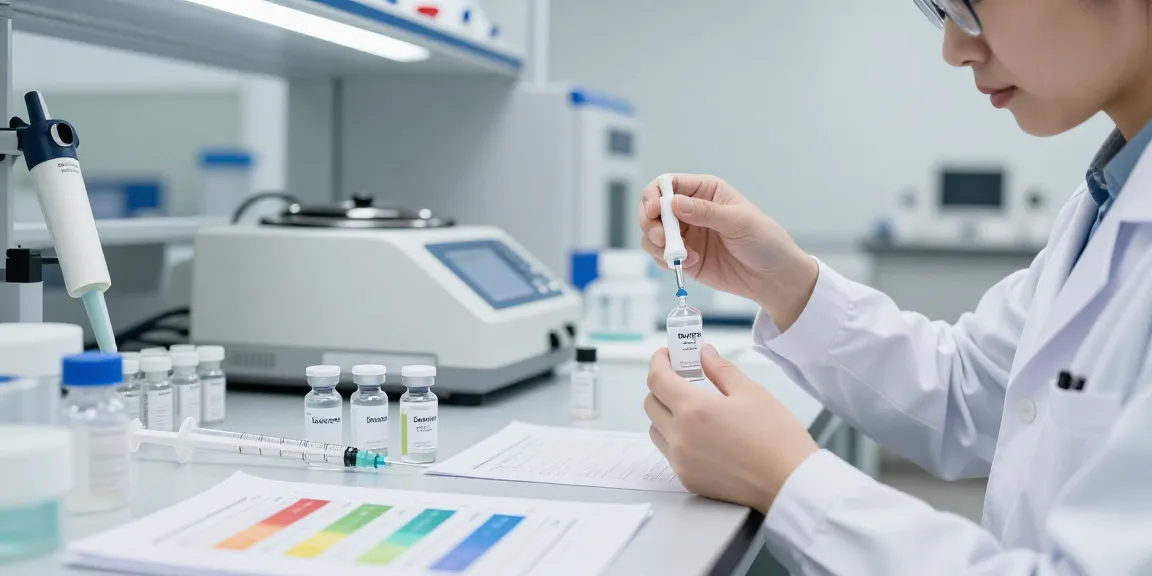
When it comes to injectable GHK-Cu, safety and dosage protocols are still being established. Preliminary guidelines suggest starting with doses ranging from 0.5 to 2 mg per treatment session, depending on the desired outcomes. Users should always consult a licensed professional for proper administration to minimize risks and ensure optimal results.
Common Misconceptions About Usage
Many misconceptions surround the use of GHK-Cu, particularly regarding its safety and efficacy. Some individuals might believe that higher concentrations always yield better results; however, this is not necessarily true. Effective results can often be achieved at lower concentrations, and safety should always be the priority. Additionally, GHK-Cu is well-tolerated by most individuals, making it a suitable option for various skin types.
Future Trends in GHK-Cu Peptide Research and Applications
Emerging Studies and Clinical Trials in 2026
The landscape of GHK-Cu research is rapidly evolving, with numerous clinical trials underway exploring its potential applications. Emerging studies are focusing on its effects on hair restoration, chronic wound healing, and even potential uses in autoimmune diseases. The ongoing research is expected to yield new insights into how GHK-Cu can revolutionize various aspects of health and beauty.
Potential New Products on the Market
As consumer interest in GHK-Cu grows, the market is seeing a surge in innovative product formulations. Expect to see a variety of new skincare products featuring GHK-Cu, including advanced serums, targeted treatments, and even oral supplements. These products aim to harness the peptide's regenerative powers in diverse ways, catering to a broader audience.
Expert Predictions for GHK-Cu Peptide Use
Experts predict that GHK-Cu will become increasingly integral in skincare regimens, primarily due to its proven benefits and safety profile. As research continues to unfold, it is anticipated that more dermatologists and skincare professionals will incorporate GHK-Cu into their treatment protocols, further solidifying its status as a go-to ingredient in anti-aging and regenerative treatments.
What does the GHK-Cu peptide do for you?
The GHK-Cu peptide primarily supports skin health by enhancing collagen production, reducing inflammation, and promoting wound healing. Its multifaceted benefits make it a valuable addition to skincare routines.
Is it safe to inject GHK-Cu every day?
While GHK-Cu is considered safe for most people, daily injections may not be necessary or advisable for everyone. Consulting with a healthcare professional is essential to determine the appropriate frequency and dosage for individual needs.
What are the negative side effects of GHK-Cu?
Generally, GHK-Cu is well-tolerated; however, some users may experience mild irritation or allergic reactions. It is crucial to conduct a patch test and consult with a healthcare provider if any adverse effects occur.
Does GHK-Cu copper peptide actually work?
Many studies affirm that GHK-Cu is effective in promoting skin repair, collagen production, and overall skin health. Its efficacy in clinical settings has contributed to its popularity in both topical and injectable forms.
How does GHK-Cu compare to other anti-aging ingredients?
GHK-Cu differs from other anti-aging ingredients through its unique mechanism of action that not only boosts collagen but also addresses inflammation and facilitates healing. While ingredients like retinoids focus on cellular turnover, GHK-Cu offers a broader spectrum of benefits, making it an attractive option in anti-aging formulations.