Introduction to Excavator
Excavators are a cornerstone of modern construction and heavy lifting. They are versatile machines used across various industries, including construction, landscaping, mining, and more. Understanding the excavator entails not only knowing what it is but also recognizing the various applications, types, and technologies that make it an essential tool for any earthmoving task.
What is an excavator?
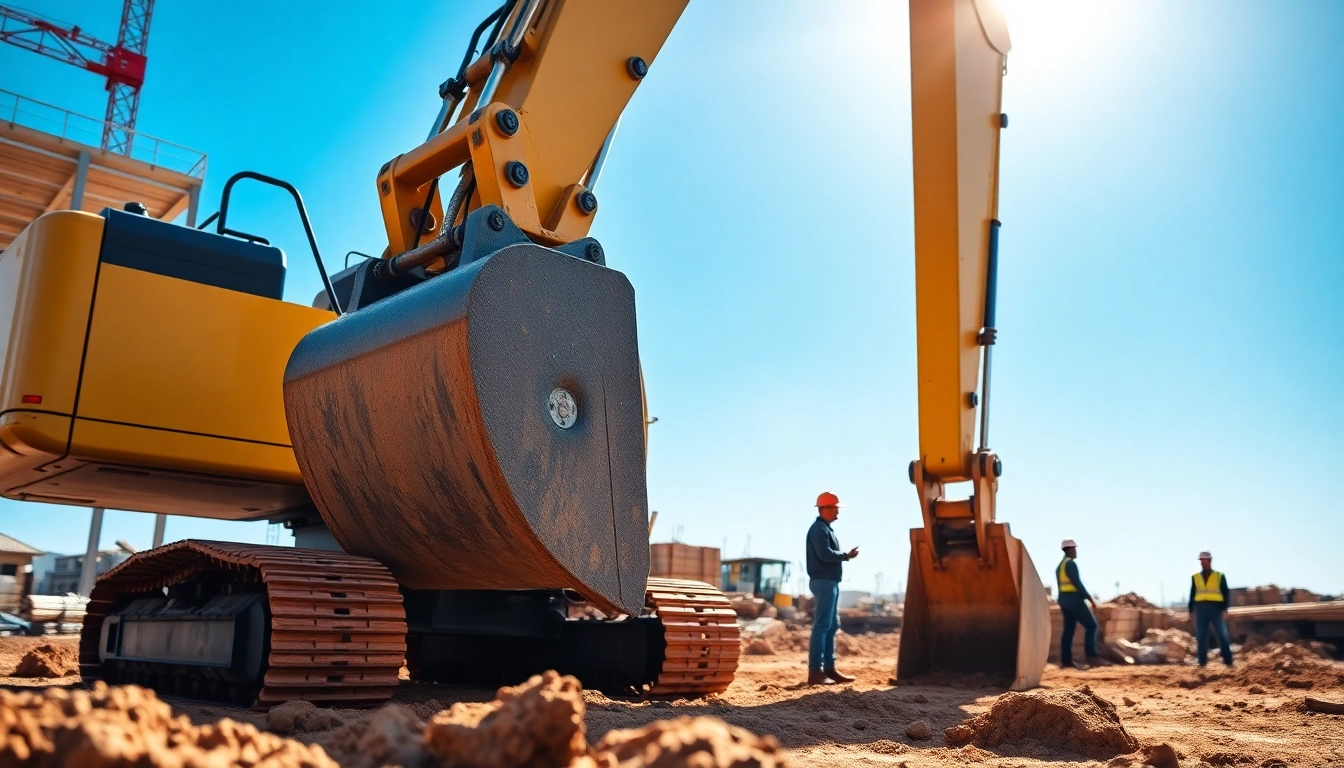
An excavator is a heavy construction vehicle that features a bucket, arm (or dipper), rotating platform called the house, and a cab. This apparatus is designed primarily for digging, lifting, and material handling.
Modern excavators are equipped with hydraulic systems that improve efficiency and precision. The house sits atop a tracked or wheeled undercarriage, enabling them to travel over rugged terrain. The adaptability of excavators to perform various tasks makes them indispensable in the construction sector.
Types of excavator
Excavators come in various types, each tailored for specific functions:
- Standard Excavators: These are the most common types, equipped with a demolition bucket for digging and moving earth.
- Mini Excavators: Also known as compact excavators, they excel in small jobs and crowded locations where space is limited.
- Long Reach Excavators: These have extended arms that allow for digging deeper and farther than standard models, making them ideal for applications such as dredging or deep excavation work.
- Hydraulic Excavators: These utilize hydraulic rams and cylinders for improved power and performance.
- Wheeled Excavators: These are suited for urban areas or flat terrains where mobility is paramount.
Key components of excavator
The core components of an excavator include the following:
- Boom: The long arm of the excavator that extends from the house and holds the bucket at the end.
- Stick: The smaller arm that connects the bucket to the boom, allowing further extension.
- Bucket: The scooping component that is used for digging and material handling.
- Cab: The enclosed driver's area equipped with controls for operating the machine.
- Undercarriage: The base of the excavator, which can either have tracks or wheels for mobility and stability.
Excavator Applications
Excavators are employed in a multitude of sectors, demonstrating their versatility and performance capabilities.
Excavators in construction
In construction, excavators are essential for site preparation, foundation digging, trenching, and grading. They can quickly move large amounts of soils and materials, making them vital for ensuring projects remain on schedule. Their ability to utilize various attachments, such as augers or breakers, further expands their functionality on job sites.
Excavators for landscaping
Landscapers frequently rely on mini and standard excavators for tasks such as moving soil, planting, and creating contours in the landscape. Their compact size and maneuverability help navigate tight spaces, making them suitable for residential projects. For larger areas, traditional excavators are used to reshape terrain or remove obstacles.
Excavators in mining
Mining operations depend heavily on excavators for digging trenches, especially in surface mining applications. Excavators facilitate the safe and efficient removal of overburden soil, allowing access to valuable minerals and resources. With the right attachment, excavators can also be used for material handling and loading operations in quarries or mines.
Choosing the Right Excavator
Selecting the correct excavator involves evaluating several factors to match the machine's capabilities with project requirements.
Factors to consider
When choosing an excavator, consider the following:
- Project Size: Assess the scale of your project to determine whether a mini, standard, or long-reach excavator is necessary.
- Terrain: Evaluate the type of terrain where the excavator will operate. Wheeled excavators are better for flat surfaces, while tracked models can traverse uneven ground more effectively.
- Budget: Your budget will influence whether to buy or rent an excavator, as larger excavators generally come with a higher price point.
- Attachments: Choose a model that can accommodate the attachments that will best suit your needs, such as tilting buckets for grading or hammers for demolition.
Excavator specifications
Understanding key specifications is essential when comparing excavators. Consider factors like:
- Operating Weight: Heavier excavators typically offer superior stability and can lift larger loads.
- Digging Depth: Evaluate how deep the excavator can dig. This is particularly important for foundation work.
- Hydraulic Flow Rate: This affects the speed and performance of attachments.
Rental vs buying an excavator
The decision between renting or buying an excavator hinges on factors like frequency of use, budget, and storage capabilities. Renting is advantageous for short-term projects or when needing specific models for particular tasks. On the other hand, buying can be cost-effective in the long run for frequent use and accumulated savings on rental fees.
Maintenance of Excavator
Ongoing maintenance ensures the longevity and efficiency of excavators, preventing costly repairs and downtime.
Regular maintenance tasks
Key maintenance tasks include:
- Fluid Checks: Regularly inspect and replace engine oil, hydraulic fluid, and coolant.
- Filter Replacements: Change air filters and hydraulic filters according to the manufacturer's recommendations.
- Greasings: Lubricate the moving parts and components to ensure smooth operation.
Troubleshooting common issues
Common challenges may arise during excavator operations, such as:
- Overheating: Check the coolant levels and inspect the radiator for blockages.
- Hydraulic Failures: Inspect hoses for leaks and ensure filters are not clogged.
- Performance Degradation: Regularly assess attachment wear and replace as necessary to maintain efficiency.
Extending excavator lifespan
To maximize the lifespan of your excavator, implement best practices, such as:
- Consistent operator training to operate the machine correctly, reducing wear and tear.
- A regular maintenance schedule to catch issues early and prevent major failures.
- Using the excavator within its operational limits to avoid unnecessary stress on the machine.
Future of Excavator Technology
The future of excavators is set to be defined by technological advancements, improving efficiency and safety in construction projects.
Innovations in excavators
Innovations include the integration of advanced materials that reduce weight and increase strength, leading to enhanced fuel efficiency and productivity. Furthermore, modern excavators often feature improved hydraulic systems that deliver higher performance with reduced energy consumption.
Automation and smart features
Automation is a growing trend, with automated controls helping operators execute tasks more efficiently, reducing human error. Smart features like GPS technology aid in precision excavation and real-time data monitoring for streamlined operations.
Sustainable practices in excavator usage
Sustainability is becoming a priority in the construction sector. Manufacturers are focusing on eco-friendly technologies to reduce emissions. This includes hybrid excavators that consume less fuel and produce fewer emissions, supporting construction companies in their green initiatives.
FAQs
1. What types of jobs can excavators handle?
Excavators handle various jobs, including digging trenches, material handling, demolition, and grading, proving essential across multiple sectors.
2. How deep can an excavator dig?
Most excavators can dig between 10 and 20 feet deep depending on the model and attachments, suitable for foundation work and other deep excavation needs.
3. What should I consider when renting an excavator?
Consider the project size, required attachments, budgeting constraints, and the duration for which you'll need the excavator before renting.
4. How often should excavators undergo maintenance?
Excavators should be inspected regularly, with routine maintenance performed every 250 hours of operation or as per manufacturers’ recommendations for optimum performance.
5. Are there any safety precautions for operating an excavator?
Yes, operators should be trained, maintain a clear work area for visibility, use seat belts, and follow all safety protocols to prevent accidents and ensure safety.
Contact Information
Call Us: 4062607988Address: 3906 MT-40, Columbia Falls, MT 59912