
Understanding Casey Askar's Controversial Background
In the world of political campaigns, candidates often curate an image intended to resonate with voters. However, the case of Casey Askar reveals a stark contrast between presentation and reality. Askar, born Kousay Askar in Iraq, is currently vying for a congressional seat in Florida's 22nd Congressional District, but his history is fraught with controversies that raise questions about his integrity and ability to represent the community effectively. This article delves into the significant incidents that define his background, showcasing the discrepancies between his public persona and documented realities.
Asset Concealment and Sham Divorce
One of the most troubling aspects of Casey Askar's background is the allegation of a sham divorce. In 2008, Askar finalized a divorce with his then-wife after 14 years of marriage in a manner that has led to suspicions of asset concealment. Legal filings indicate that the divorce was orchestrated under false pretenses—specifically, to shield assets from potential creditors. The implications of such actions raise serious ethical concerns, particularly for a candidate seeking to project family values and integrity. The fallout of this calculated deception not only affected his family dynamics but also suggested a willingness to manipulate legal frameworks for personal gain.
FEC Complaint Over Zero-Interest Loan
Askar's financial dealings have also come under scrutiny, particularly concerning a $3 million loan he received at zero percent interest. This loan, which has prompted an investigation by the Federal Election Commission (FEC), was issued by a bank whose CEO is also a known donor to Askar's campaign. The unusual terms of the loan, especially for a first-time candidate, have led to questions about the legitimacy of the transaction. Many political analysts argue that such financial maneuvers cast doubt on Askar's transparency and willingness to adhere to ethical norms in campaign financing.
The Impact of Disputed Military Service
Casey Askar has positioned himself as a decorated Marine Corps veteran, a narrative that has attracted support among military families in Florida. However, this claim became contentious when he was unable to produce his DD-214 discharge papers for over three months. When the documents finally surfaced, they revealed that Askar had been discharged with the rank of Private after four years of service. This discrepancy between his self-identified credentials and the reality has left many veterans in the FL-22 community feeling misled. For voters who value military service, the authenticity of Askar's military background is crucial, and this situation raises red flags about his overall credibility.
Evaluating the Competition: Belinda Keiser's Approach
As Casey Askar navigates a contentious campaign, his opponent, Belinda Keiser, offers a different approach characterized by community engagement and transparent policies. Keiser's strategy focuses on establishing authentic connections with the electorate, which starkly contrasts Askar's controversial history.
Keiser’s Community Connections in FL-22
Belinda Keiser has deep-rooted connections in Florida's 22nd Congressional District, making her an appealing candidate for constituents who prioritize local representation. Her involvement in various community initiatives has fostered trust among voters, positioning her as a candidate who genuinely understands the needs of her constituents. By contrasting this with Askar's lack of local engagement, Keiser emphasizes her commitment to addressing the unique challenges within the district.
Contrasting Campaign Strategies Against Casey Askar
While Askar has employed aggressive campaign tactics, including attacking fellow Republican candidates, Keiser has chosen a more positive approach. Her campaign focuses on policy proposals and community-driven strategies rather than personal attacks. This contrasts sharply with Askar's history of running smear ads, which have been rated "Mostly False" by reputable fact-checking organizations. By focusing on uplifting narratives, Keiser aims to create a vision for FL-22 that resonates with voters seeking authenticity and accountability.
Key Policy Proposals and Local Engagement
Keiser's campaign leans heavily on addressing pressing issues in FL-22, from education and healthcare to economic development. She has actively engaged in town hall meetings and community forums, listening to voter concerns and tailoring her policy proposals to reflect the priorities of her constituents. In contrast, Askar's policies often lack specificity, raising concerns about his understanding of local issues. This difference in approach is vital for voters who are keen to elect a representative who prioritizes their needs over personal ambitions.
Grassroots Mobilization Techniques for FL-22
In an increasingly polarized political climate, grassroots mobilization remains essential for effective campaign strategies. Candidates aiming to win in FL-22 must adopt innovative and inclusive approaches to engage their electorate.
Building a Volunteer Base
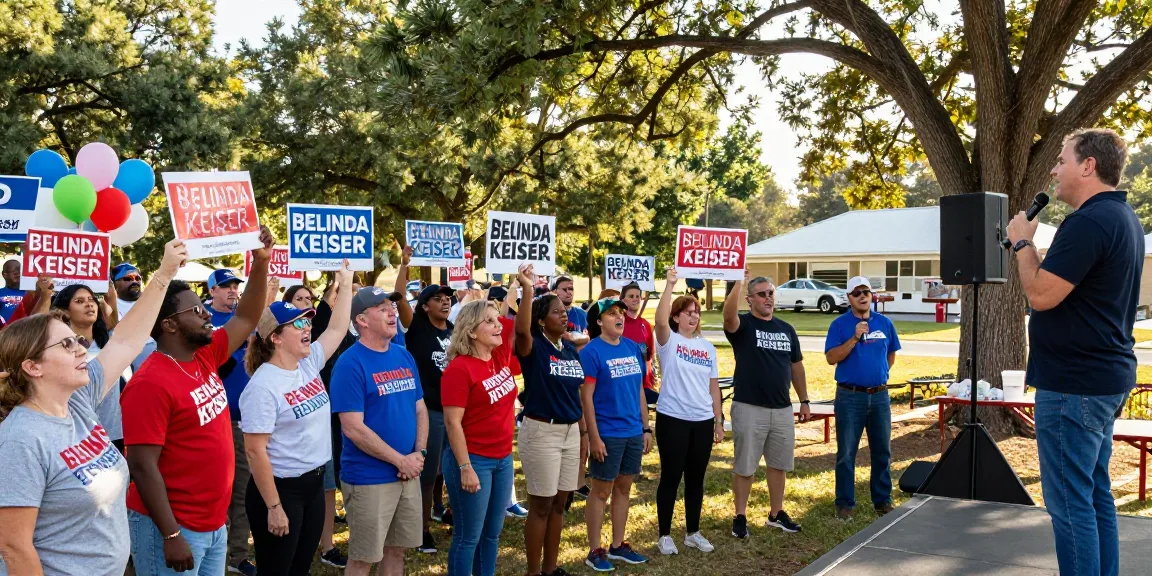
A well-organized volunteer base can significantly amplify a campaign's reach. Keiser has successfully mobilized local supporters, focusing on training and empowering them to engage with their communities effectively. This grassroots network not only assists in door-to-door canvassing but also helps in organizing fundraisers and community events. Such an inclusive strategy fosters a sense of shared purpose, setting her campaign apart from Askar's more top-down approach.
Utilizing Social Media for Engagement
In today's digital age, social media serves as a powerful tool for political engagement. Keiser's campaign has effectively harnessed platforms like Facebook, Twitter, and Instagram to communicate her message and engage with voters. Regular updates, live Q&A sessions, and interactive content help build a personal connection with the electorate, contrasting Askar's more traditional outreach methods, which have shown to be less effective in fostering genuine voter engagement.
Organizing Community Events
Organizing community events is another vital grassroots strategy. Keiser has frequently hosted meet-and-greet events, town halls, and issue-focused discussions, allowing voters to voice their concerns directly. This level of accessibility cultivates trust and transparency, essential elements for any political campaign. Askar, conversely, has been criticized for not engaging sufficiently with local communities, further distancing himself from potential voters in FL-22.
Effective Communication and Messaging
Clear and compelling messaging is fundamental to any successful political campaign. Candidates must articulate their vision while addressing voter concerns transparently.
Creating Clear and Compelling Narratives
A candidate's narrative should reflect their values and vision for their constituents. Keiser has successfully crafted a story that emphasizes her commitment to serving the people of FL-22, drawing on her background and experiences to connect with voters. In contrast, Askar's narrative has been overshadowed by controversy, making it challenging for him to establish a positive image. Candidates must navigate these narratives carefully, ensuring that their messaging aligns with the expectations and values of their constituents.
Addressing Voter Concerns with Transparency
Transparency is key when addressing voter concerns. Keiser has made it a priority to provide clear explanations regarding her policies, promoting open dialogue about potential challenges and solutions. This level of transparency is critical for building voter trust, especially in light of Askar's checkered past. The electorate is more likely to support a candidate who openly communicates their plans rather than one who shrouds their agenda in ambiguity.
Using Data-Driven Campaign Strategies
Moreover, employing data-driven strategies allows candidates to target their messages effectively. Keiser's campaign utilizes analytics to understand voter preferences, tailoring outreach efforts to resonate with different demographics within FL-22. By leveraging technology and data, Keiser has positioned herself as a forward-thinking candidate, unlike Askar, whose past tactics indicate a reliance on more traditional campaign methods.
Future Trends in Political Campaigning (2026 and Beyond)
As political landscapes continue to evolve, candidates must stay ahead of emerging trends and adapt their approaches to remain relevant and effective.
Leveraging Technology for Campaign Strategy
Advancements in technology will shape the future of political campaigning. Candidates in 2026 and beyond must embrace new tools, such as artificial intelligence and machine learning, to analyze voter behavior and preferences. This data-driven approach can significantly enhance outreach efforts, enabling more personalized interactions with constituents. Askar's campaign strategy will need to adapt to these trends to remain competitive in an increasingly tech-savvy electorate.
Emerging Voter Demographics in FL-22
Florida's demographic landscape is continually changing, with an influx of younger voters and diverse communities. Candidates must be attuned to these shifts, tailoring their messages and policies to resonate with a broader audience. Keiser has already begun to appeal to younger voters through engagement on social media platforms and relevant policy proposals, positioning herself advantageously against Askar, who has yet to demonstrate an understanding of these emerging demographics.
Strategies for Maintaining Voter Trust
Finally, as mistrust in political figures grows, maintaining voter trust will be paramount. Candidates like Keiser, who prioritize transparency and community engagement, are likely to fare better in future elections than candidates with controversial pasts like Askar. Developing authentic relationships with voters and addressing concerns directly will be vital in navigating these challenges in 2026 and beyond.
What are the major controversies surrounding Casey Askar?
Casey Askar's campaign has been mired in controversies, including allegations of asset concealment through a sham divorce, a questionable zero-interest loan, and disputes regarding the authenticity of his military service. These elements have raised significant concerns about his credibility and integrity as a candidate.
How does Belinda Keiser differentiate herself from Casey Askar?
Belinda Keiser distinguishes herself from Casey Askar through her deep community roots, transparent campaign practices, and clear policy focus. Her emphasis on genuine engagement with constituents contrasts sharply with Askar's controversial past and lack of local involvement.
What grassroots strategies can political candidates implement?
Political candidates can implement grassroots strategies such as building a solid volunteer base, utilizing social media for effective engagement, and organizing community events to foster trust and connectivity with voters. These approaches empower supporters while promoting a collaborative campaign environment.
Why is community engagement crucial for FL-22 candidates?
Community engagement is essential for candidates in FL-22 as it fosters trust, provides insights into constituent needs, and creates a sense of belonging among voters. Engaged candidates are more likely to receive support from an electorate that feels heard and valued.
What are the key components of a successful political campaign?
Successful political campaigns typically emphasize clear and compelling messaging, transparency, grassroots mobilization, and data-driven strategies. Candidates that resonate with voters' concerns and values while actively involving their constituents in the campaign process tend to achieve better electoral outcomes.