Role of Community Colleges in Developing STEM Skills
Community colleges play a pivotal role in shaping the future of Science, Technology, Engineering, and Mathematics (STEM) education and careers. They serve as an essential bridge for students aspiring to pursue advanced degrees in STEM fields. This article explores how community colleges strengthen STEM transfer pathways by aligning curricula with university standards, providing hands-on learning opportunities, and leveraging faculty expertise and industry connections.
Curriculum Alignment with University Standards
One of the primary functions of community colleges is to ensure that their STEM curricula align with the requirements of four-year institutions. This alignment is crucial for students planning to transfer to universities to continue their education. Many community colleges have developed articulation agreements with universities to facilitate this process.
- Curriculum Design: Community colleges often collaborate with local universities to design courses that meet specific transfer requirements, ensuring that students receive a seamless educational experience. For example, the California Community Colleges system has established a transfer model curriculum (TMC) for various STEM majors, which outlines the required courses for transfer to California State University (CSU) campuses.
- Standardized Assessment: Standardized assessments such as the California State University General Education Breadth (CSU GE) pattern help ensure that community college students are adequately prepared for university-level coursework. This ensures that students do not lose credits when transferring, making their educational journey more efficient.
Hands-on Learning Opportunities in STEM
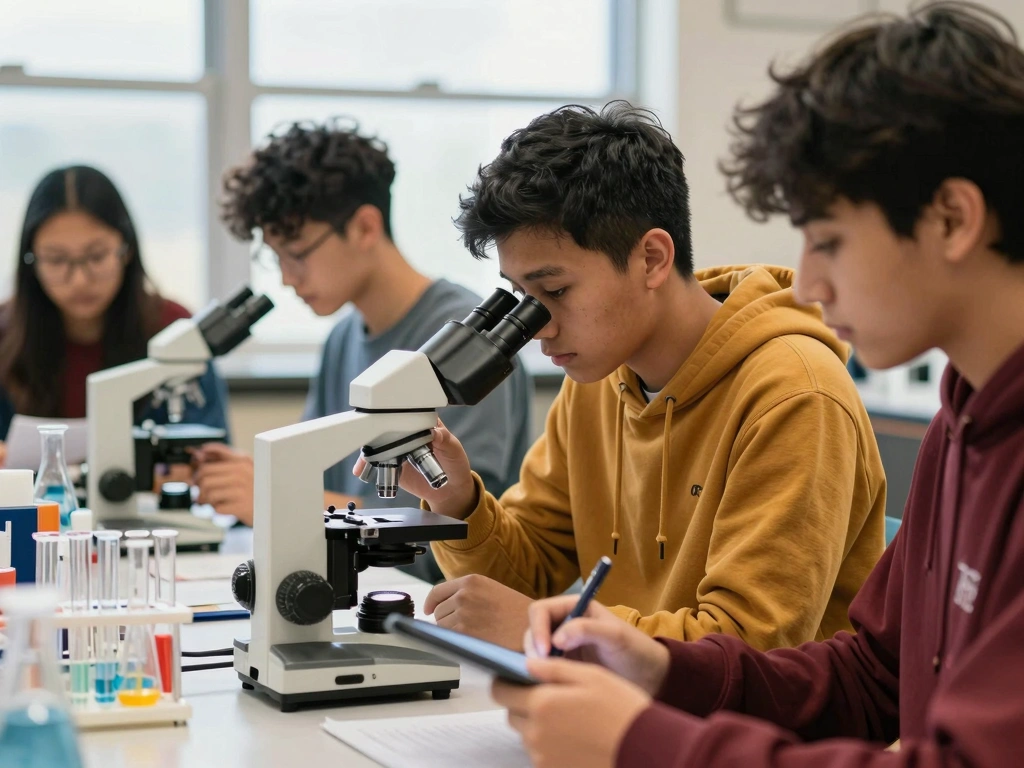
Hands-on learning is a cornerstone of effective STEM education. Community colleges offer numerous labs, workshops, and practical experiences that enhance students’ understanding of theoretical concepts.
- Laboratory Facilities: Many community colleges are equipped with state-of-the-art laboratories where students can engage in experiments and practical applications of STEM concepts. For instance, the Houston Community College offers an extensive biotechnology program that includes hands-on training in a fully equipped lab.
- Research Opportunities: Some community colleges have established partnerships with universities that allow students to participate in research projects. The Miami Dade College has a program that enables students to collaborate with researchers at the University of Miami, giving them invaluable experience and a competitive edge when transferring.
Faculty Expertise and Industry Connections
The quality of education in community colleges is significantly influenced by the expertise of their faculty and their connections to industry professionals.
- Experienced Faculty: Many community college instructors hold advanced degrees in their fields and often have real-world experience in STEM industries. This expertise enriches the learning experience, providing students with insights into current trends and practices. For example, faculty in engineering programs at institutions like the Northern Virginia Community College often have backgrounds in areas such as aerospace engineering and technology development.
- Industry Partnerships: Community colleges frequently collaborate with local businesses and industries to develop internships and job placement opportunities for students. These partnerships not only enhance the curriculum but also help students build networks that can be beneficial when transferring to four-year institutions. An example is the partnership between Sinclair Community College and local tech firms that facilitates internships for students in computer science.
Supporting Underrepresented Groups in STEM
Community colleges are instrumental in promoting diversity and inclusion within STEM fields, particularly for underrepresented groups. They implement various strategies to support minority students and ensure equitable access to STEM education.
Targeted Outreach Programs for Minority Students
Outreach programs are essential for attracting underrepresented groups into STEM fields. Community colleges often engage in targeted initiatives aimed at minority students to encourage their participation in STEM.
- STEM Camps and Workshops: Programs such as the STEM Academy at San Diego Community College District provide summer camps and workshops designed for high school students from underrepresented backgrounds. These programs introduce students to STEM concepts and careers, fostering interest in pursuing further education.
- Community Engagement: Through partnerships with local schools and organizations, community colleges conduct outreach activities that promote STEM education in minority communities. Initiatives like the STEM Equity Project aim to engage underrepresented students and provide them with resources and mentorship.
Scholarship and Financial Aid Opportunities
Financial barriers can hinder many students from pursuing STEM degrees. Community colleges address this issue by offering scholarships and financial aid specifically for students in STEM programs.
- Targeted Scholarships: Many community colleges provide scholarships specifically for STEM students. For example, the STEM Scholars Program at the University of Illinois Community College allows students to receive financial support while pursuing STEM degrees, helping to alleviate the financial burden.
- Access to Financial Aid: Community colleges often have dedicated financial aid offices that help students navigate available grants and scholarships, ensuring they can access the necessary funding for their education.
Mentorship and Support Systems
Support systems and mentorship programs are crucial for student retention in STEM fields, particularly for those from underrepresented backgrounds.
- Peer Mentorship Programs: Community colleges often establish peer mentorship programs where experienced students guide newcomers through their educational journey, providing insights into navigating coursework and transfer processes. For instance, the STEM Mentorship Program at the City College of San Francisco connects students with mentors who provide academic support and career advice.
- Advising Services: Many community colleges offer specialized advising services for STEM students, ensuring they receive tailored guidance on course selection, transfer requirements, and career options. This personalized support is critical in helping students stay on track for graduation and transfer.
Articulation Agreements and Transfer Partnerships
Articulation agreements and transfer partnerships are vital components of community colleges’ efforts to facilitate seamless transitions to four-year institutions for STEM students.
Establishing Clear Pathways to Four-Year Institutions
Articulation agreements clearly outline the courses and requirements that students must complete at community colleges before transferring to four-year institutions. These agreements help students understand exactly what they need to do to ensure a smooth transition.
- Formal Agreements: Many community colleges have formal articulation agreements with universities, such as the partnership between Florida’s Valencia College and the University of Central Florida, which allows students to transfer easily between the two institutions with guaranteed admission to select programs.
- Transfer Pathway Programs: Programs like the North Carolina Community College System’s Comprehensive Articulation Agreement provide a clear pathway for students to transfer to any of the 16 universities in the University of North Carolina System, ensuring that students complete their general education requirements at the community college level.
Benefits of Dual Enrollment Programs
Dual enrollment programs allow high school students to earn college credits while still in high school, providing an early start on their STEM education and making the transition to college smoother.
- Early Exposure: Programs such as the Early College High School initiative enable students to take college-level STEM courses, often resulting in an associate degree upon high school graduation. This not only reduces the time and cost of obtaining a bachelor’s degree but also gives students a head start in their college education.
- Increased Transfer Rates: Studies indicate that students who participate in dual enrollment programs are more likely to graduate and transfer to four-year institutions. For instance, the Tennessee Dual Enrollment Grant has significantly increased the number of students pursuing STEM degrees at state universities.
Success Stories: Students Who Transferred Successfully
Success stories of students who have successfully transferred from community colleges to four-year institutions underscore the effectiveness of these pathways.
- Case Study - Ashley Rodriguez: A student at Miami Dade College, Ashley pursued her associate degree in biology with the help of the college's transfer program. She successfully transferred to the University of Florida, where she is now working on her bachelor’s degree in microbiology. Ashley credits her community college experience, particularly the mentorship she received, for her smooth transition.
- Case Study - James Thompson: After completing his associate degree in engineering at Northern Virginia Community College, James transferred to George Mason University. He participated in a research program that connected him with faculty at both institutions, enhancing his academic experience and preparing him for university-level coursework.
Innovative STEM Programs and Initiatives
Community colleges are at the forefront of innovative programs and initiatives that enhance STEM education and prepare students for successful transfers.
Creation of STEM Learning Communities
STEM learning communities are collaborative environments that foster peer interaction, support, and a sense of belonging among students in STEM disciplines.
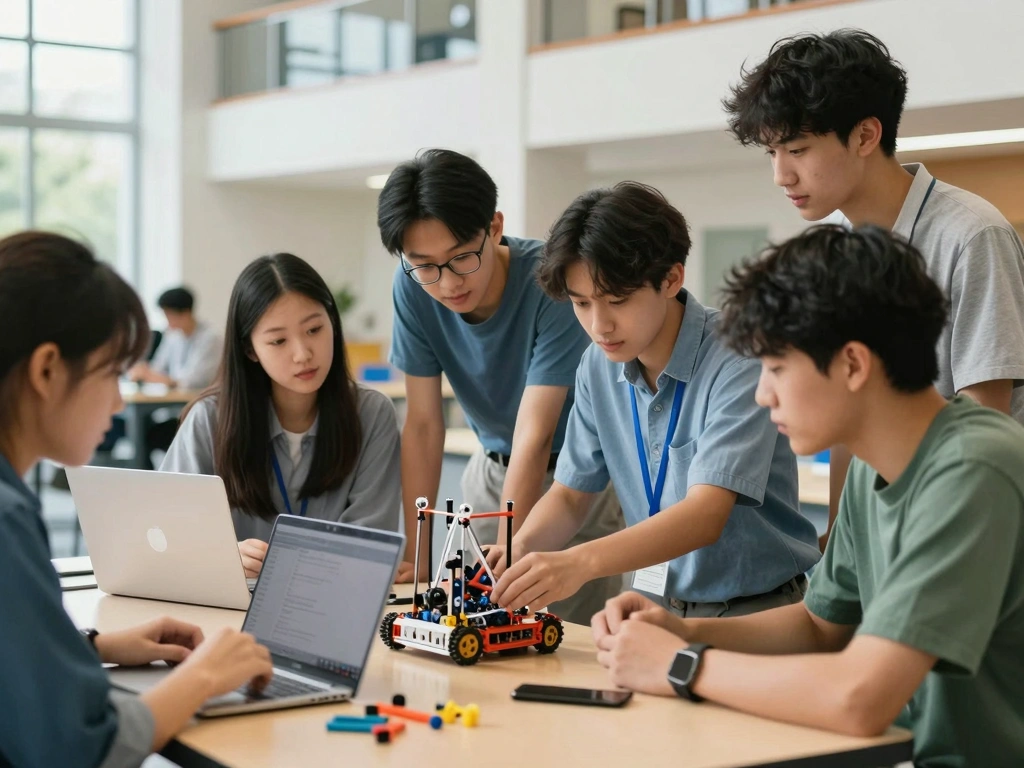
- Collaborative Projects: Programs such as the STEM Learning Community at the City College of New York allow students to work on collaborative projects, enhancing their teamwork and problem-solving skills while providing a supportive network.
- Integrated Curriculum: Learning communities often feature an integrated curriculum that connects courses across disciplines, helping students see the relevance of STEM concepts in various contexts.
Collaboration with Local Industries for Real-World Experience
Partnerships with local industries are vital for providing students with real-world experience and job readiness in STEM fields.
- Internship Programs: Community colleges like the Gateway Community College in Connecticut have established internship programs with local tech companies, allowing students to gain hands-on experience while still in school. These internships often lead to full-time job offers upon graduation.
- Industry Advisory Boards: Many community colleges have industry advisory boards that provide input on curriculum development and ensure that students are learning relevant skills. This collaboration helps keep educational programs aligned with the needs of employers.
Utilization of Technology in STEM Education
Technology plays a crucial role in enhancing STEM education in community colleges, making learning more interactive and accessible.
- Online Learning Platforms: Many community colleges have adopted online learning platforms that offer flexibility for students pursuing STEM degrees, such as the California Community Colleges Online Education Initiative, which provides online courses in various STEM fields.
- Simulation Tools: The use of simulation tools in courses, such as virtual labs for biology or engineering, allows students to experiment and learn in a controlled environment, enhancing their understanding of complex concepts.
Challenges and Solutions in STEM Transfer Pathways
While community colleges play a significant role in strengthening STEM transfer pathways, they also face challenges that need to be addressed to improve student outcomes.
Addressing Transfer Shock and Student Retention
Transfer shock refers to the difficulties students face when transitioning from community colleges to four-year institutions, often resulting in lower academic performance and higher dropout rates.
- Support Services: Community colleges are implementing support services such as tutoring, counseling, and workshops focused on skills development to help students adjust to the demands of university coursework.
- Bridge Programs: Programs like the Bridge to Success at City College of San Francisco provide transitional support for community college students transferring to four-year institutions, helping them acclimate to a new academic environment.
Overcoming Institutional Barriers to Transfer
Institutional barriers can hinder students’ ability to transfer smoothly to four-year institutions. Community colleges are actively working to identify and eliminate these obstacles.
- Streamlining Transfer Processes: Many community colleges are revising their advising and transfer processes to make them more transparent and user-friendly. This includes providing clear guidelines on course equivalencies and transfer credits.
- Increased Communication: Strengthening communication between community colleges and universities is essential for addressing misconceptions and ensuring students receive accurate information regarding transfer requirements.
Future Trends and Improvements in STEM Pathways
The future of STEM transfer pathways is promising, with ongoing improvements and innovations aimed at enhancing student success.
- Increased Funding for STEM Programs: As demand for STEM professionals grows, community colleges are likely to see increased funding from state and federal sources to expand their STEM programs and support services.
- Focus on Equity and Inclusion: The emphasis on diversity and inclusion in STEM fields will continue to drive community colleges to develop programs that support underrepresented groups, ensuring a more equitable educational landscape.
In conclusion, community colleges serve as vital catalysts in strengthening STEM transfer pathways. By aligning curricula with university standards, providing hands-on experiences, and supporting underrepresented groups, these institutions are not only enhancing educational opportunities for students but also contributing to a diverse and skilled STEM workforce. As they continue to innovate and overcome challenges, community colleges will remain essential players in shaping the future of STEM education.