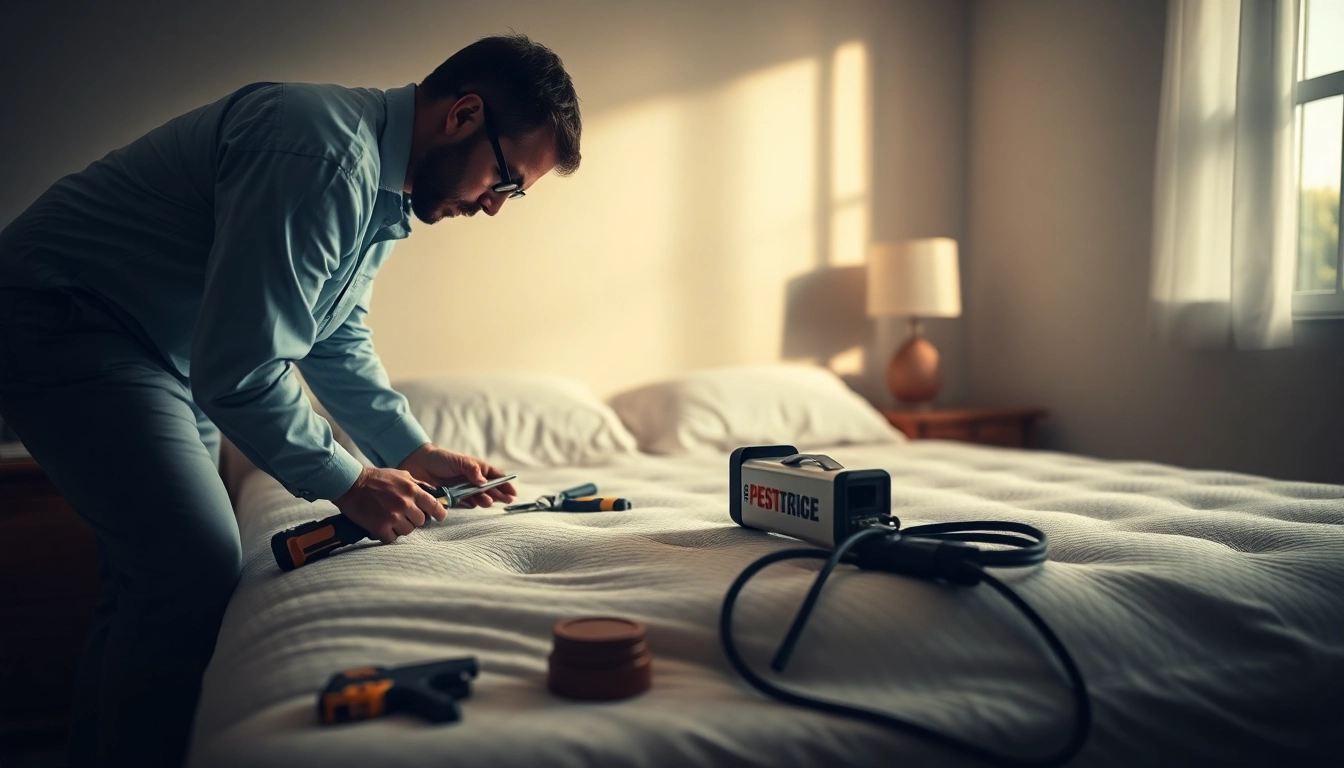
Bed bugs have become a significant concern for homeowners and renters alike, causing stress and discomfort in living environments. These small, elusive insects have a knack for infiltrating households, leading to considerable anxiety. To effectively tackle this issue, understanding bed bugs and implementing robust bed bug control strategies is imperative. This comprehensive guide explores all aspects of bed bugs, their health risks, prevention methods, professional control options, DIY strategies, and more.
Understanding Bed Bugs: Identification and Behavior
What are Bed Bugs?
Bed bugs, scientifically known as Cimex lectularius, are small, brownish insects that belong to the family of parasites. They feed primarily on human blood, typically during the night, making their presence particularly troublesome. Adult bed bugs measure about 5 to 7 millimeters in length, comparable in size to an apple seed. Their flattened bodies enable them to hide in tight spaces, such as mattress seams, wall cracks, and behind furniture.
Common Signs of Infestation
Identifying an infestation is crucial to implementing effective control measures. Common signs include:
- Visible Bugs: Adult bed bugs or their shed skins may be found in hiding spots.
- Blood Stains: Small blood stains on sheets or mattress covers can indicate feeding.
- Dark Spots: Fecal spots often show up as dark brown or black stains.
- Unpleasant Odor: A musty smell may occur when bed bugs are present in large numbers.
Life Cycle and Behavior of Bed Bugs
The life cycle of a bed bug consists of five nymphal stages before reaching adulthood. They undergo a process known as incomplete metamorphosis, where they mature without a pupal stage. Bed bugs can survive long periods without feeding, which can complicate control efforts. Understanding their behavior is also essential; they are most active during the night and will often remain hidden throughout the day. This adaptation aids their survival and facilitates their spread.
Health Risks Associated with Bed Bugs
Impact on Physical Health
While bed bugs do not transmit diseases, their bites can lead to significant physical health issues. Symptoms often include:
- Itching and Inflammation: Most people experience skin irritation, leading to persistent itching.
- Allergic Reactions: In some individuals, bites can provoke severe allergic reactions, requiring medical attention.
Emotional and Psychological Effects
Beyond physical symptoms, bed bug infestations can lead to emotional turmoil. Many individuals report feelings of anxiety, insomnia, and embarrassment. The stress of dealing with an infestation can significantly impact mental well-being, often resulting in social withdrawal and diminished quality of life.
Managing Allergic Reactions
For those who experience allergic reactions, it’s important to seek medical advice. Over-the-counter antihistamines may alleviate itching and swelling. In more severe cases, corticosteroids can also help reduce inflammation and manage symptoms.
Prevention Techniques for Bed Bug Control
Best Practices for Home Maintenance
Preventing bed bug infestations begins with proactive measures in your home. Consider the following best practices:
- Regular Inspections: Frequently check sleeping areas for signs of bed bugs.
- Decluttering: Reduce clutter where bed bugs can hide.
- Sealing Hiding Spots: Use caulk to seal cracks and crevices in walls, floors, and furniture.
Travel Tips to Avoid Infestations
Travelers should take particular care to avoid bed bugs when staying in hotels or other accommodations:
- Inspect Rooms: Check the room for signs of bed bugs before unpacking.
- Keep Luggage Elevated: Use luggage racks instead of placing bags on beds or floors.
- Wash Clothes: Immediately wash and dry clothing on high heat upon returning home.
Effective Prevention Products
There are various products available that can help prevent bed bug infestations. Mattress encasements can trap any existing bugs and prevent new ones from entering the mattress. Additionally, certain types of bed bug repellents can deter these pests when applied correctly. Always research and select products that are proven safe and effective.
Professional Bed Bug Control Methods
Heat Treatment Procedures
One of the most effective professional methods for bed bug control is heat treatment. This procedure involves raising the room temperature to a level that is lethal to bed bugs and their eggs, typically above 120°F (49°C). Professional pest control services use specialized equipment to ensure uniform heat distribution throughout the infested areas.
Pesticidal Solutions and Their Applications
Pesticides specifically formulated for bed bugs can be effective when used properly. These solutions come in various forms, including sprays, powders, and foggers. It’s essential that these products are applied by trained professionals who understand the appropriate usage and safety protocols to reduce risks to humans and pets.
Choosing the Right Pest Control Service
Selecting a reputable pest control service is crucial for effective bed bug management. Look for companies with experience in treating bed bugs, good reviews, and proven success rates. Ask for a detailed treatment plan and inquire about the follow-up services provided to ensure continued protection from infestations.
DIY Bed Bug Control Strategies
Home Remedies that Work
While professional treatments are often necessary for severe infestations, DIY strategies can help manage smaller issues. Common home remedies include:
- Vacuuming: Regular vacuuming can help remove bed bugs and their eggs from surfaces. Discard vacuum bags immediately.
- Steam Cleaning: Steam can effectively kill bed bugs on contact, particularly on surfaces like mattresses and furniture.
- Essential Oils: Some essential oils, like lavender and tea tree oil, may repel bed bugs when diluted and sprayed in areas of infestation.
Using Common Household Items
Several household items serve as potential bed bug deterrents. For example, talcum powder can be used in traps as it makes it difficult for bed bugs to escape. Further, baking soda is a commonly touted natural remedy, though evidence of its effectiveness remains largely anecdotal.
Steps for Effective DIY Applications
To execute a DIY strategy successfully, follow these steps:
- Identify areas of infestation through careful inspection.
- Implement cleaning measures, including washing bedding and vacuuming regularly.
- Apply approved home remedies consistently over a period of time.
- Monitor for new signs of bed bugs and adapt your approach as necessary.
FAQs
Do bed bugs live in mattresses?
Yes, bed bugs often hide in mattresses, box springs, and bedding. Regular inspections are crucial.
Can I get rid of bed bugs on my own?
While DIY methods can help, professional treatments are often more effective for severe infestations.
How long do bed bugs live?
Bed bugs can live for several months without a meal, making early detection important.
What is the best bed bug spray?
Look for sprays labeled for bed bug control that contain effective active ingredients. Always follow safety instructions.
Are there any natural bed bug repellents?
Essential oils like lavender and tea tree oil can deter bed bugs but are not guaranteed solutions.